
Products
A Vertical Form Fill Seal (VFFS) machine is an automated packaging system that forms bags from a roll of flexible packaging material, fills them with product, and seals them—all in one continuous vertical process. The core components include a film unwinding station, forming tubes, sealing jaws, product feeding systems, and control panels. Modern VFFS machines integrate advanced sensors and PLC controls to ensure precision in bag formation, filling accuracy, and seal integrity.
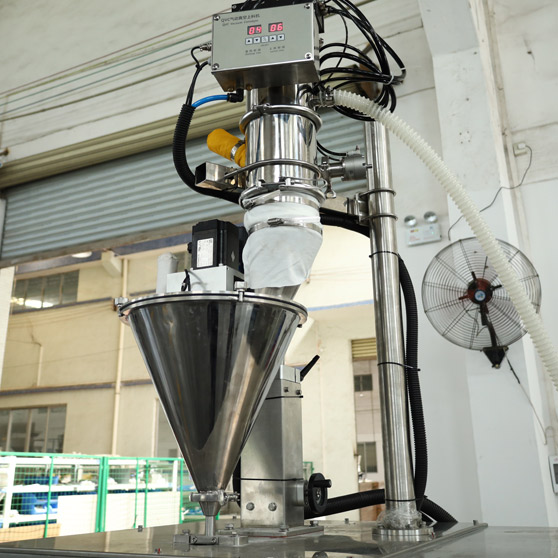
Critical components of a VFFS machine include: the film roll holder, which supports the packaging material; the forming collar, which shapes the film into a tube; the vertical seal bar, which creates a longitudinal seal; the cross-seal jaws, which form the top and bottom seals while cutting the bag; and the product hopper, which feeds the product into the formed bag. Additional features may include gas flushing systems for modified atmosphere packaging (MAP) and date coders for product traceability.
Pneumatic VFFS machines use compressed air to operate sealing jaws and film advance mechanisms, making them cost-effective for low to medium production speeds (up to 60 bags per minute). Servo-driven VFFS machines, by contrast, use servo motors for precise control of all movements, enabling higher speeds (up to 150 bags per minute) and better accuracy in bag length and filling weights—ideal for high-volume applications.
VFFS machines are versatile across industries: in food processing, they package snacks, grains, and frozen foods; in pharmaceuticals, they handle powders and tablets; in cosmetics, they package creams and lotions; and in agriculture, they bag seeds and fertilizers. Specialized models include waterproof VFFS machines for liquid products and dust-proof designs for fine powders.
VFFS machines reduce labor costs by automating packaging processes, with some models replacing 3-5 manual workers. They also minimize material waste through precise film control—advanced systems can reduce film usage by up to 15% compared to manual packaging. Over time, these savings translate to a strong return on investment (ROI), typically within 12-24 months for high-volume operations.
Modern VFFS machines offer quick changeovers between bag sizes (from 50mm to 500mm width) and packaging materials (plastic films, laminates, biodegradable films). They can produce various bag styles, including pillow bags, gusseted bags, and stand-up pouches, with options for zip locks, tear notches, and hang holes—catering to diverse product and branding needs.
Key considerations include production speed (bags per minute), product type (powders, liquids, solids), bag size range, material compatibility, and regulatory requirements (e.g., food safety standards like HACCP). It’s also important to evaluate the machine’s ease of cleaning, maintenance needs, and after-sales support from the manufacturer.
Top manufacturers like Bosch, Ishida, and Triangle Package Machinery offer reliable VFFS solutions, but regional suppliers may provide better value for specific industries. When comparing, look for machines with energy-efficient motors, user-friendly HMI interfaces, and modular designs that allow for future upgrades (e.g., adding a metal detector or checkweigher).
To ensure optimal performance, daily maintenance should include: cleaning the product contact parts (hoppers, chutes), inspecting sealing jaws for damage, checking film alignment, lubricating moving parts, and verifying sensor calibration. Keeping a log of maintenance activities helps identify recurring issues and extend the machine’s lifespan.
Common problems with VFFS machines include: improper sealing (caused by worn jaws or incorrect temperature settings), film jams (due to misalignment or static electricity), and inaccurate filling (from faulty load cells or product bridging). Troubleshooting steps may involve adjusting seal temperature, replacing worn parts, or installing anti-static devices.
The future of VFFS machines lies in Industry 4.0 integration, with features like IoT connectivity for real-time monitoring, predictive maintenance alerts, and data analytics for optimizing production efficiency. Smart VFFS machines can communicate with other equipment in the production line (e.g., fillers, labelers) to create a fully automated packaging system.
As consumer demand for eco-friendly packaging grows, VFFS machines are adapting to handle biodegradable films (e.g., PLA, paper-based materials) and reduce material waste. Manufacturers are also developing machines with lower energy consumption and water-based inks for printing—aligning with global sustainability goals.
A snack food manufacturer replaced manual packaging with a servo-driven VFFS machine, increasing production speed from 30 to 100 bags per minute and reducing packaging material waste by 20%. The machine’s ability to handle different bag sizes also allowed the company to expand its product line, leading to a 35% increase in sales within the first year.
A pharmaceutical company implemented a dust-proof VFFS machine for packaging powdered medications, ensuring compliance with strict GMP standards. The machine’s precise filling system reduced product giveaway by 15%, while its hermetic sealing prevented contamination—improving product quality and patient safety.
VFFS packaging machines are essential for modern manufacturing, offering efficiency, flexibility, and cost savings across industries. By understanding the technology, choosing the right machine, and implementing proper maintenance, businesses can optimize their packaging processes and stay competitive in a rapidly evolving market. As Industry 4.0 and sustainable packaging trends continue to shape the industry, investing in advanced VFFS machines will be key to future success.
For more information on VFFS packaging solutions, contact a trusted manufacturer to discuss your specific needs and explore customization options.
Relevant Recommendation
PRODUCTS
Guangdong Coretamp Packaging Machinery Co., Ltd.
CONTACT