
Products
Heat sealing is the most common method for VFFS machines—using heated jaws to melt and bond packaging films. Key parameters include: 1) Temperature (150-250°C depending on film type), 2) Pressure (1-5 bar for consistent bonds), and 3) Dwell time (0.1-1 second for seal formation). Heat sealing works best for polyethylene (PE) and polypropylene (PP) films.
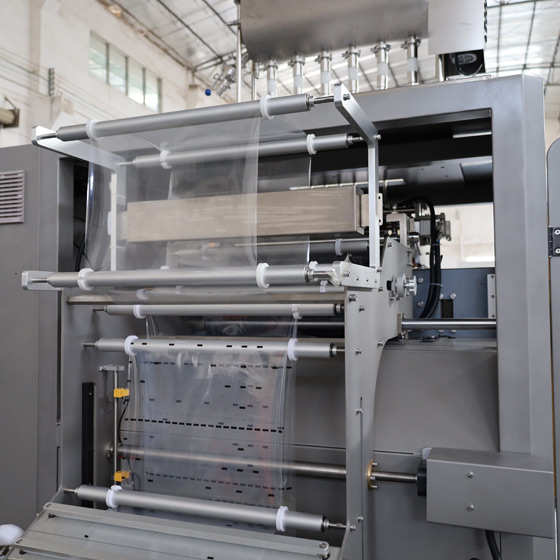
Ultrasonic sealing uses high-frequency vibrations (20-40 kHz) to create heat through molecular friction. Advantages include: 1) No direct heat transfer (ideal for heat-sensitive products), 2) Stronger seals for thick films, and 3) Lower energy consumption. Ultrasonic sealing is commonly used for metallic films and medical packaging.
Induction sealing creates a hermetic seal between a foil liner and container. For VFFS machines, this involves: 1) Applying a foil liner to the bag opening, 2) Using an induction coil to generate heat, and 3) Bonding the liner to the bag. Induction sealing is ideal for food and pharmaceutical products requiring extended shelf life.
Laser sealing uses focused laser beams to melt and bond films. Benefits include: 1) Precise seal control (micro-seals for small packages), 2) No contact with the product (reduces contamination risk), and 3) Compatibility with heat-sensitive films. Laser sealing is emerging in high-end applications like electronics packaging.
Seal strength is critical for product integrity—common tests include: 1) Peel test (measures force to separate seals), 2) Burst test (measures pressure to break seals), and 3) Visual inspection (checks for gaps or contamination). The FDA requires seal strength of at least 15 N/15 mm for food packaging.
Common seal problems and solutions: 1) Weak seals (increase temperature or pressure), 2) Burnt seals (reduce temperature or dwell time), 3) Leaky seals (clean sealing jaws or replace worn parts). Advanced VFFS machines include self-diagnostic systems to identify seal issues.
A pharmaceutical company implemented ultrasonic sealing on their VFFS line for tablet packaging. The technology eliminated heat-related product damage and achieved 100% seal integrity, passing FDA audits with zero non-conformances. Seal strength improved by 40% compared to heat sealing.
A snack manufacturer switched to induction sealing for their VFFS bags. The hermetic seals reduced oxygen permeability by 90%, extending shelf life from 6 to 9 months. The company also reduced product recalls by 80% due to improved seal integrity.
Key selection criteria: 1) Product type (heat-sensitive vs. non-sensitive), 2) Packaging material (film type and thickness), 3) Production speed, and 4) Regulatory requirements. For example, ultrasonic sealing is better for metallic films, while heat sealing is more cost-effective for PE films.
Advanced sealing technologies have higher upfront costs but offer long-term savings: 1) Ultrasonic sealing reduces energy costs by 30%, 2) Induction sealing extends shelf life and reduces waste, and 3) Laser sealing improves product quality and reduces recalls. Most advanced systems pay for themselves in 12-24 months.
Future sealing systems will include: 1) Real-time seal quality monitoring (using AI and machine vision), 2) Adaptive sealing parameters (adjusting temperature/pressure based on film properties), and 3) Predictive maintenance (alerting operators to worn sealing jaws). These systems will reduce downtime and improve seal consistency.
Sustainability is driving innovation: 1) Sealing systems for compostable films (lower temperatures to prevent melting), 2) Energy-efficient ultrasonic sealing (using piezoelectric transducers), and 3) Sealant-free bonding (using plasma technology). These solutions reduce environmental impact while maintaining seal integrity.
Advanced sealing technologies are transforming VFFS machine performance, offering improved seal integrity, product protection, and cost savings. By understanding the different sealing methods and their applications, businesses can select the right technology to meet their specific needs. As smart and sustainable technologies evolve, VFFS machines will continue to be at the forefront of packaging innovation.
Relevant Recommendation
PRODUCTS
Guangdong Coretamp Packaging Machinery Co., Ltd.
CONTACT