
Products
VFFS machines are categorized by their forming method: 1) Pillow bag forming (most common, used for snacks and grains), 2) Gusseted bag forming (expands to hold more product, ideal for coffee and pet food), and 3) Quad seal bag forming (four sealed edges, offers maximum product protection for pharmaceuticals and electronics).
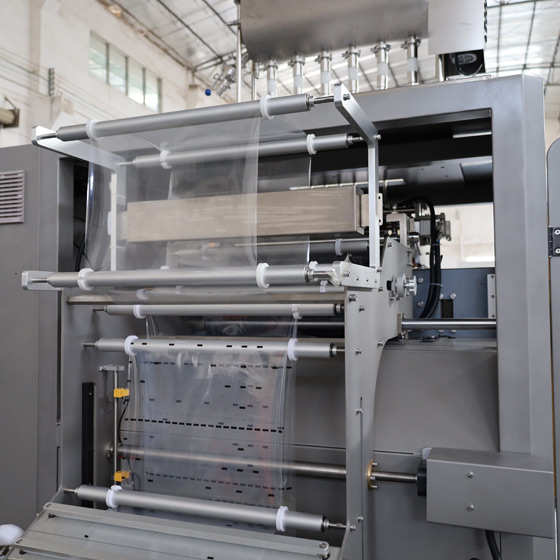
Dosing systems determine how product is measured and filled into bags. Common types include: 1) Volumetric dosing (uses cups or augers for dry products), 2) Gravimetric dosing (weighs product for high accuracy, used in pharmaceuticals), and 3) Liquid dosing (uses pumps for beverages and sauces).
Your daily production volume will dictate the VFFS machine speed you need. For low-volume production (10-50 bags/min), a semi-automatic machine is sufficient. For high-volume production (50-200 bags/min), a fully automatic machine with servo motors is recommended. Ultra-high-speed machines (200+ bags/min) are used in large-scale food processing plants.
The type of product you’re packaging will influence machine selection. For example: 1) Powders require anti-dust systems and auger dosing, 2) Liquids need leak-proof seals and liquid pumps, and 3) Fragile products (like chips) require gentle handling systems to prevent breakage.
While VFFS machines have a higher initial cost than manual packaging, they offer significant long-term savings. For example, a $60,000 VFFS machine can replace 3-4 manual workers, saving $40,000-$60,000 annually in labor costs. Most machines pay for themselves within 12-18 months.
When budgeting for a VFFS machine, consider hidden costs like: 1) Maintenance and repair (10-15% of initial cost annually), 2) Training for operators (critical for maximizing machine efficiency), and 3) Spare parts (sealing jaws, sensors) that need regular replacement.
Before installing a VFFS machine, ensure your facility meets these requirements: 1) Adequate floor space (most machines need 10-15 square meters), 2) Stable power supply (380V three-phase electricity), and 3) Proper ventilation (to remove heat from sealing elements).
Effective operator training is essential for safe and efficient machine operation. Training should cover: 1) Basic machine operation (start/stop, recipe changes), 2) Troubleshooting common issues (seal failures, product jams), and 3) Safety procedures (lockout/tagout, emergency stops).
For food packaging, VFFS machines must comply with FDA and USDA regulations. Key requirements include: 1) Stainless steel construction (easy to clean), 2) Sanitary design (no crevices for bacteria growth), and 3) HACCP (Hazard Analysis and Critical Control Points) compliance.
To ensure operator safety, VFFS machines should meet OSHA standards. This includes: 1) Emergency stop buttons, 2) Guarding for moving parts, and 3) Safety interlocks that stop the machine if guards are removed.
A family-owned snack company invested in a mid-speed VFFS machine to replace their manual packaging line. The machine increased production from 20 to 60 bags per minute, allowing them to expand into new markets. The company also reduced packaging errors by 90% and improved product consistency.
A multinational food manufacturer needed a custom VFFS machine to package their new line of frozen vegetables. The machine included a nitrogen-flushing system to extend shelf life and a multi-lane design to handle multiple product sizes. The custom solution reduced packaging costs by 20% and improved product quality.
The future of VFFS machines lies in smart manufacturing. This includes: 1) IoT connectivity for remote monitoring, 2) AI-powered quality control (detects defective seals in real-time), and 3) Cloud-based data analytics for performance optimization.
As consumers demand more sustainable packaging, VFFS machine manufacturers are developing: 1) Machines that use compostable films, 2) Energy-efficient heating systems, and 3) Zero-waste designs that minimize packaging material usage.
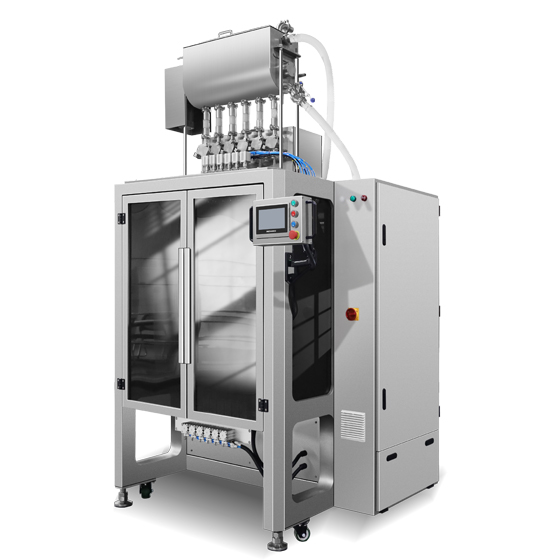
Choosing the right VFFS machine is a critical decision that can impact your business’s efficiency, cost-effectiveness, and growth. By understanding the different machine types, key selection factors, and compliance requirements, you can make an informed choice that meets your production needs and budget. Whether you’re a small business or a large manufacturer, a VFFS machine can help you streamline your packaging process and stay competitive in today’s market.
Relevant Recommendation
PRODUCTS
Guangdong Coretamp Packaging Machinery Co., Ltd.
CONTACT