
Products
In today’s fast-paced market, packaging isn’t just about containment—it’s a critical tool for branding, sustainability, and operational efficiency. Enter the stick pack machine, a versatile packaging solution that has quietly transformed industries from food and beverages to pharmaceuticals. But what exactly is a stick pack machine, and why is it becoming a must-have for businesses worldwide? This guide dives deep into the world of stick pack packaging, offering valuable insights, practical advice, and expert analysis. Whether you’re a manufacturer looking to upgrade your line or a entrepreneur exploring packaging options, you’ll find actionable information to make informed decisions. By the end, you’ll understand how stick pack machines can streamline your operations, enhance product appeal, and future-proof your business. Let’s get started!
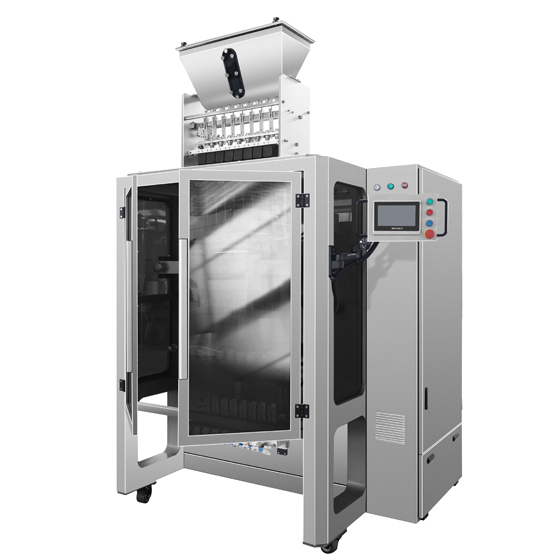
A stick pack machine is a specialized packaging device designed to produce “stick packs”—long, slender, single-serve pouches that resemble sticks. These machines automate the process of filling and sealing powders, granules, liquids, or gels into customizable pouches, offering a compact and convenient format for consumers. Originally popularized for products like instant coffee and sugar, stick packs have evolved to include supplements, condiments, and even pharmaceuticals. The machine itself integrates components like film unwinders, dosing systems, sealers, and cutters to ensure precision and speed. In an era where portability and portion control are king, stick pack machines provide a sleek, efficient alternative to traditional packaging like jars or boxes.
At its core, a stick pack machine operates on a form-fill-seal (FFS) principle, where packaging film is shaped into a tube, filled with product, and sealed along the edges. The process begins with a roll of laminated film—often multi-layered for barrier protection—being fed into the machine. As the film moves through a forming collar, it wraps into a vertical tube, sealed longitudinally. Precisely calibrated augers or pumps then dose the product into the tube, followed by horizontal seals that create individual pouches. Finally, a cutter separates the packs, which are collected for distribution. Modern machines incorporate PLC controls and sensors to adjust parameters like seal temperature, fill weight, and speed, ensuring consistency. For instance, a typical machine can produce 200 to 600 stick packs per minute, depending on the model and product viscosity, making it ideal for high-volume production.
Not all stick pack machines are created equal; choosing the right type depends on your product and production needs. Broadly, they fall into two categories: vertical and horizontal stick pack machines. Vertical machines are space-efficient, with film moving downward, and are suited for free-flowing powders like protein shakes or instant soup mixes. They often feature gravity-assisted filling and are easier to clean, ideal for SMEs. Horizontal machines, on the other hand, handle more viscous products like gels or ointments by using piston fillers and lateral film movement. They offer higher speeds—up to 800 packs per minute—for large-scale operations. Additionally, there are dual-track machines that double output, and hybrid models that switch between stick packs and other formats like sachets. Key variations include servo-driven machines for precision, and mechanical ones for cost-effectiveness. For example, brands like Bosch and Triangle Package Machinery offer customizable options with added features like nitrogen flushing for freshness or vision systems for quality checks.
Stick pack machines have moved beyond niche uses to become industry staples, thanks to their adaptability and consumer-friendly design. From snack bars to hospitals, these machines enable businesses to deliver products in precise, portable doses. This section explores the primary sectors leveraging stick pack technology, highlighting real-world examples and benefits that drive adoption. By understanding these applications, you can identify opportunities to innovate in your own field.
In the food and beverage sector, stick packs are revolutionizing how consumers access convenience foods. Think of single-serve coffee sticks, drink mixes, spices, or salad dressings—all packaged for on-the-go lifestyles. Stick pack machines allow manufacturers to maintain product freshness with hermetic seals, while the slim shape reduces material waste compared to bulky containers. For instance, major brands like Starbucks use stick packs for Via instant coffee, ensuring consistent flavor and easy dissolution. Moreover, the machines support creative marketing: transparent windows can showcase product color, and vibrant printing enhances shelf appeal. In beverages, stick packs enable rapid dissolution without clumping, thanks to controlled fill settings. They’re also ideal for portion-controlled snacks like nut butters or protein powders, catering to health-conscious consumers. By reducing packaging costs by up to 30% and boosting brand visibility, stick pack machines are a game-changer for food producers.
Precision and safety are paramount in pharmaceuticals, and stick pack machines deliver both. They’re used for unit-dose packaging of powders (e.g., pain relievers), electrolytes, or probiotic supplements, minimizing contamination risk and ensuring accurate dosing. The machines can be integrated into clean rooms with GMP compliance, featuring stainless steel construction and easy sterilization. For example, hospitals dispense stick-packed medications to patients, reducing errors and improving adherence. In healthcare, stick packs are also popular for oral rehydration salts or vitamin sachets, especially in emerging markets where affordability and portability matter. Advanced machines offer tamper-evident seals and child-resistant features, enhancing security. Additionally, the compact size cuts logistics costs, allowing more units per shipment. As telemedicine grows, stick packs provide a hygienic way to ship samples or diagnostics, showcasing their versatility beyond traditional uses.
Why are businesses globally shifting to stick pack machines? The advantages extend far beyond basic packaging—they impact profitability, sustainability, and customer satisfaction. This section breaks down the key benefits, backed by data and case studies, to help you evaluate the return on investment. Whether you’re aiming to reduce waste or boost production speed, stick pack machines offer tangible solutions.
Stick pack machines excel in optimizing production lines, leading to significant cost savings. First, their high-speed operation—often exceeding 500 packs per minute—reduces labor costs by automating tasks like filling and sealing. For a mid-sized factory, this can translate to a 20% increase in output without expanding floor space. Second, the machines minimize material usage: stick packs require up to 40% less film than standard pouches, cutting raw material expenses. Energy efficiency is another perk; modern servo-driven models consume less power through smart cycling. Real-world examples include a supplement company that slashed packaging costs by 25% after switching to stick packs, thanks to reduced film waste and faster changeover times. Moreover, reduced downtime for cleaning and maintenance boosts overall equipment effectiveness (OEE), making stick pack machines a smart long-term investment.
In a competitive market, customization is key, and stick pack machines offer unparalleled flexibility. They can handle diverse products—from fine powders to viscous creams—by simply adjusting fillers and seals. Machines like the IMA Stick Packer allow quick format changes, enabling producers to run limited-edition flavors or seasonal promotions without retooling. Design-wise, stick packs support high-resolution printing for logos, QR codes, or instructional text, enhancing brand engagement. For instance, a tea company uses stick packs with biodegradable film and custom shapes to attract eco-conscious buyers. Technologically, integration with IoT sensors enables real-time monitoring of parameters like seal integrity, reducing defects. This adaptability extends to size ranges; stick packs can vary from 5 ml to 50 ml, catering to everything of samples to full servings. By offering a personalized unboxing experience, businesses can command premium prices and foster loyalty.
Selecting a stick pack machine isn’t a one-size-fits-all decision—it requires careful analysis of your needs and market demands. With countless models and features available, this guide simplifies the process by outlining critical factors and top brands. By following these steps, you can avoid costly mistakes and invest in a machine that scales with your business.
Before purchasing, evaluate these elements to ensure a perfect fit. First, assess your product characteristics: flowability, hygroscopicity, and viscosity will determine the filling system (e.g., auger for powders, piston for pastes). Second, consider production volume; low-speed machines (under 200 packs/min) suit startups, while high-speed ones (over 500 packs/min) fit large factories. Third, focus on hygiene: opt for stainless steel contact parts and CIP systems if handling sensitive products like pharmaceuticals. Fourth, evaluate flexibility—can the machine switch between film types or pack sizes easily? Fifth, analyze after-sales support; brands with global service networks minimize downtime. Budget is crucial too: entry-level machines start around $20,000, while advanced models exceed $100,000. Lastly, think sustainability; machines compatible with recyclable films future-proof your investment. For example, a snack producer might prioritize a machine with nitrogen flushing to extend shelf life, while a cosmetic brand may need aesthetic seals for luxury appeal.
Navigating the market can be overwhelming, so here’s a curated list of reputable stick pack machine manufacturers. Bosch Packaging Technology offers the Sigpack TTM series, known for reliability and speeds up to 600 packs/min, ideal for food and pharma. Triangle Package Machinery provides the Next Generation Stick Packer, featuring user-friendly touchscreens and quick changeovers for SMEs. IMA Group excels with their Ilapak and Sigma models, which incorporate robotics and AI for precision filling. Fuji Machinery stands out for compact, cost-effective machines like the VFFS stick packers, popular in Asia. For niche applications, All-Fill Inc. designs machines with anti-static features for sensitive powders. When comparing, read case studies: for instance, a beverage company reported a 15% efficiency boost using Bosch’s TTM. Attend trade shows or request demos to test performance. Remember, the best brand aligns with your throughput, product type, and growth plans—don’t just chase the cheapest option.
The packaging industry is evolving rapidly, and stick pack machines are at the forefront of innovation. From smart technology to eco-friendly materials, this section explores emerging trends that will shape the next decade. By staying ahead, you can leverage these advancements to gain a competitive edge and meet changing consumer expectations.
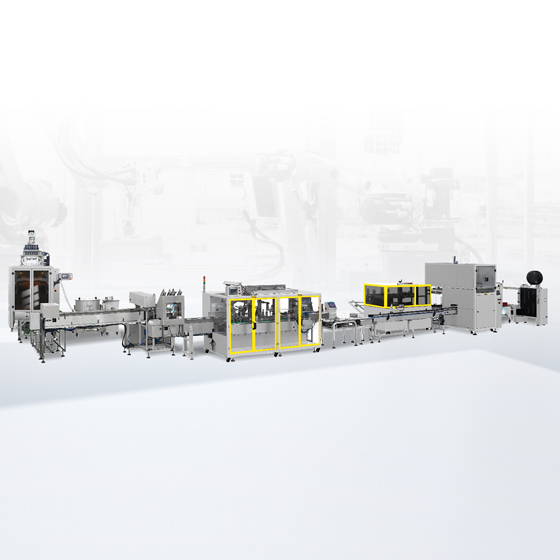
Automation and connectivity are transforming stick pack machines into intelligent systems. Industry 4.0 integration allows machines to communicate with ERP software, enabling predictive maintenance and real-time data analytics. For example, sensors can detect seal defects and auto-adjust temperatures, reducing waste by up to 10%. AI-driven vision systems, like those from Cognex, inspect packs for flaws at high speeds, ensuring quality control. Robotics are also being added for end-of-line tasks like cartoning, streamlining entire packaging lines. Another trend is hybrid machines that produce stick packs alongside other formats like pods or sticks, offering versatility for multi-product companies. In the near future, expect NFC-enabled packs that interact with smartphones for authenticity checks or usage tips. These tech upgrades not only boost efficiency but also enable mass customization, allowing brands to produce small batches profitably.
As consumers demand greener packaging, stick pack machines are adapting to support circular economy goals. Manufacturers are developing machines that run on mono-material films (e.g., recyclable polyethylene) or compostable materials like PLA, without compromising seal integrity. Innovations like reduced film thickness—down to 60 microns—cut plastic usage further. Machines are also being designed for easier recycling, with removable adhesives or water-soluble seals. For instance, the Amcor Stick Pack machine trials bio-based films that degrade in months. Energy efficiency is another focus; solar-powered models are emerging for off-grid production. Brands like Unilever are already using stick packs for concentrated detergents, reducing water and transport emissions. By investing in sustainable stick pack machines, businesses can meet regulations like the EU Plastic Tax and appeal to eco-conscious buyers, turning packaging into a brand asset.
Stick pack machines are more than just packaging tools—they’re strategic assets that drive efficiency, innovation, and sustainability across industries. From their versatile applications in food and pharma to the tangible benefits of cost savings and customization, these machines offer a pathway to modernize your operations. As technology advances, embracing trends like AI and eco-friendly materials will keep you competitive. Whether you’re a small business or a large corporation, choosing the right stick pack machine requires careful planning, but the rewards are substantial: enhanced product appeal, reduced environmental impact, and boosted profitability. Start by assessing your needs, exploring top brands, and considering future-proof features. Ready to revolutionize your packaging line? Dive deeper by consulting with experts or requesting a machine demo today. The future of packaging is here, and it’s shaped like a stick pack.
Relevant Recommendation
PRODUCTS
Guangdong Coretamp Packaging Machinery Co., Ltd.
CONTACT