
Products
Stick packing machines are transforming the packaging industry by offering efficient, precise, and versatile solutions for single-dose and sample-sized products. This comprehensive guide explores the technology, applications, and strategic advantages of stick pack machinery, providing valuable insights for manufacturers seeking to enhance their packaging operations and meet evolving consumer demands for convenience and sustainability.
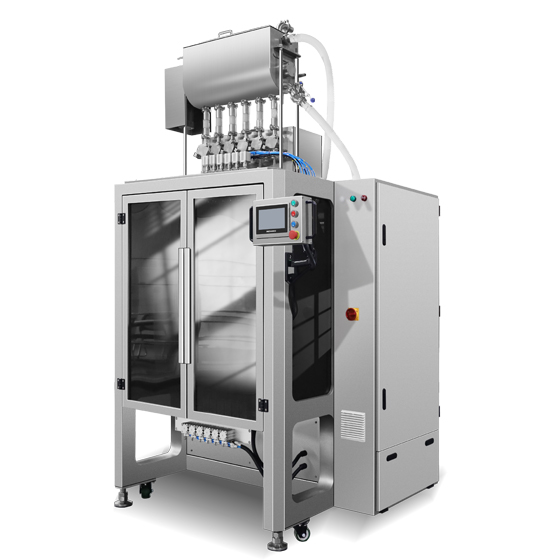
A stick packing machine is a vertical form-fill-seal (VFFS) packaging system specifically engineered to create long, narrow “stick” or “sachet” packs. These machines are characterized by their ability to handle small volumes of product—typically between 1 and 25 grams—with exceptional precision. The process begins with a roll of packaging film that is formed into a continuous tube around a filling tube. As the film moves vertically downward, the longitudinal seal is created. Precisely measured product is then injected into the forming tube before horizontal seals create individual packets, which are cut into the familiar stick format.
The true transformation lies in the machine’s micro-dosing capabilities, high-speed operation (often exceeding 600 sticks per minute), and remarkable material efficiency. Unlike conventional sachet machines, stick pack systems create minimal seal areas relative to product volume, reducing packaging material usage by 15-30% while creating a distinctive, space-efficient product format that stands out in retail environments and sample displays.
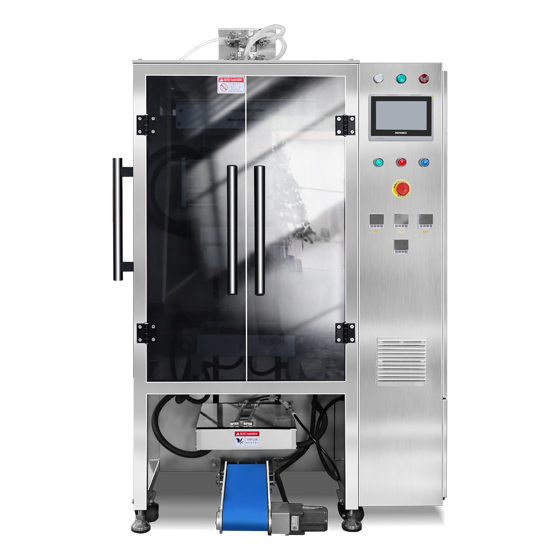
Several critical components determine a stick packing machine’s performance: The forming shoulder meticulously shapes the flat film into a consistent tube, directly impacting material tension and final package aesthetics. The auger filler represents the heart of precision dosing, utilizing computer-controlled servo motors to deliver ±1% accuracy for even the most challenging powdered products. Advanced sealing jaws employ temperature-controlled, pressure-adjustable systems that ensure hermetic seals across varying material laminates. Modern machines integrate vision inspection systems that verify seal integrity, print registration, and fill levels on every single stick, while HMI (Human-Machine Interface) panels provide intuitive control over all parameters, from film tension to production speed.
In the food and beverage industry, stick packing machines have revolutionized single-serve packaging for instant coffee, drink mixes, sugar, sweeteners, spices, and nutritional supplements. The format perfectly aligns with consumer trends toward portion control, convenience, and reduced waste. For instance, premium instant coffee brands utilize high-barrier stick packs with degassing valves to preserve freshness, while beverage companies employ them for on-the-go electrolyte powders and tea mixes. The pharmaceutical and nutraceutical industries leverage stick packs for unit-dose medications, powdered supplements, and effervescent products, where precise dosing and tamper-evident packaging are non-negotiable. The narrow seal area actually enhances product protection by minimizing potential failure points compared to larger sachets.
Beyond consumables, stick packing machines are gaining significant traction in industrial and specialty chemical packaging. They safely portion aggressive chemicals, dyes, detergents, and water-treatment powders in exact amounts, improving safety and reducing handling errors. The cosmetics industry uses stick packs for single-use samples of facial masks, hair treatments, and lotions—a powerful marketing tool that delivers precise, hygienic, and premium-perceived samples. In agribusiness, stick packs provide exact portions of pesticides, micronutrients, and seed treatments, enabling precision agriculture while minimizing chemical exposure for farmers. This cross-industry adoption underscores the format’s versatility in delivering small quantities of high-value or hazardous products safely and efficiently.
Contemporary stick packing machines are marvels of mechatronic engineering. Servo-driven technology has replaced mechanical systems, allowing independent control of film pull, filling, and sealing with unprecedented accuracy. This enables quick changeovers (often under 15 minutes) and gentle handling of delicate products. Integrated weight-checking systems provide real-time feedback to the filler, automatically adjusting auger revolutions to maintain consistent weight, crucial for regulatory compliance in pharmaceuticals. Gas flushing capabilities allow for nitrogen or CO² flushing before sealing, dramatically extending shelf life for oxygen-sensitive products like vitamins or high-end tea blends. Furthermore, IoT connectivity enables remote monitoring of production data, predictive maintenance alerts, and seamless integration with factory-wide MES (Manufacturing Execution Systems).
Successful stick pack operation requires overcoming specific challenges. Product flowability is paramount; cohesive powders require customized auger designs with special paddles or agitators to prevent bridging. Dust control is addressed through integrated vacuum systems at the filling point and static elimination bars. Seal integrity with complex laminate structures—often containing aluminum foil for barrier properties—demands precise temperature and pressure profiling, which modern machines manage with auto-tuning algorithms. For hygroscopic products, some systems incorporate localized dehumidification chambers around the filling zone. Understanding these solutions helps manufacturers select the right machine configuration for their specific product characteristics, avoiding costly production downtime and material waste.
Selecting a stick packing machine requires a strategic assessment of several factors. Product characteristics dictate the choice: Is the product free-flowing, cohesive, granular, or micro-granular? This determines auger type and hopper design. Production volume dictates speed requirements and automation level—high-volume lines may need integrated cartoning or bundling. Packaging material compatibility is crucial; ensure the machine can handle your specific laminate (e.g., PET/AL/PE, paper/foil, or recyclable monomaterials) with appropriate sealing capabilities. Regulatory requirements for industries like pharmaceuticals (FDA, cGMP) or food (USDA, EHEDG) may mandate specific designs, materials, and documentation capabilities. Finally, consider total cost of ownership, factoring in energy consumption, changeover times, maintenance costs, and the supplier’s technical support and parts availability, not just the initial purchase price.
To maximize return on investment, view the stick packing machine as part of a connected packaging line. Integration with upstream equipment (like big bag dischargers or sieves) and downstream systems (cartoners, case packers) via PLC communication streamlines material flow and data collection. Implement preventive maintenance schedules based on manufacturer recommendations and operational data to avoid unplanned stoppages. Operator training is critical; skilled personnel can optimize settings, perform rapid changeovers, and conduct basic troubleshooting. Furthermore, leverage the machine’s data capabilities to track key performance indicators (KPIs) like Overall Equipment Effectiveness (OEE), material waste percentage, and output per shift. This data-driven approach identifies bottlenecks and continuous improvement opportunities, ensuring the asset delivers value throughout its lifecycle.
Sustainability is no longer optional, and stick packing machines are at the forefront of this shift. The format inherently uses less material per unit of product compared to many alternatives. The next evolution involves machine adaptation to handle mono-material and recyclable film structures (like PP or PE-based high-barrier laminates) which are more challenging to run than traditional multi-layer films. Advanced machines now feature modified sealing systems with precise thermal profiling to accommodate these new materials. Furthermore, film-saving technologies, such as optimized forming shoulders that reduce trim waste and gusseting features that allow smaller packs without compromising product volume, are becoming standard. Manufacturers using stick pack technology can legitimately market reduced packaging weight and improved shelf-to-transport efficiency, significantly lowering their carbon footprint.
The future of stick packing is intelligent and autonomous. Emerging machines feature self-optimizing systems that use AI algorithms to adjust parameters in real-time based on product and environmental feedback, maintaining optimal performance. Augmented Reality (AR) interfaces are beginning to assist operators with maintenance procedures and changeover guidance, reducing errors and training time. Blockchain-compatible printing and coding systems can create unique identifiers on each stick pack, enabling full traceability from raw material to end consumer—a powerful tool for combating counterfeiting in pharmaceuticals and building brand trust. As Industry 4.0 matures, the stick packing machine will evolve from a standalone unit to a fully integrated, data-generating node in the smart
factory ecosystem.
The stick packing machine represents a sophisticated convergence of precision engineering, operational efficiency, and market-responsive design. Its ability to deliver exact doses in a compact, material-efficient, and consumer-friendly format makes it an indispensable asset across diverse industries. For businesses, investing in this technology is not merely about automating a packaging step; it’s a strategic decision to enhance product appeal, reduce environmental impact, improve supply chain efficiency, and unlock new market opportunities in single-serve and sample economies.
As you evaluate your packaging strategy, consider how the precision, versatility, and sustainability of stick pack technology can address your specific challenges in product integrity, cost management, and brand differentiation. The right machine, properly integrated and operated, becomes a powerful competitive advantage in an increasingly demanding marketplace.
Ready to optimize your single-serve packaging? The journey begins with a detailed analysis of your product, output goals, and sustainability targets. Consulting with an experienced packaging machine manufacturer can provide tailored insights to harness the full potential of stick pack technology for your unique application.
Relevant Recommendation
PRODUCTS
Guangdong Coretamp Packaging Machinery Co., Ltd.
CONTACT