
Products
The stick packaging machine has revolutionized the packaging industry, offering unparalleled efficiency and precision for a wide range of products. From pharmaceuticals and food supplements to single-serve condiments and cosmetic samples, these versatile machines create neat, portable, and protective stick packs that appeal to modern consumers and streamline production. This comprehensive guide delves deep into the technology, applications, and critical considerations, providing valuable insights for manufacturers and industry professionals seeking to optimize their packaging operations.
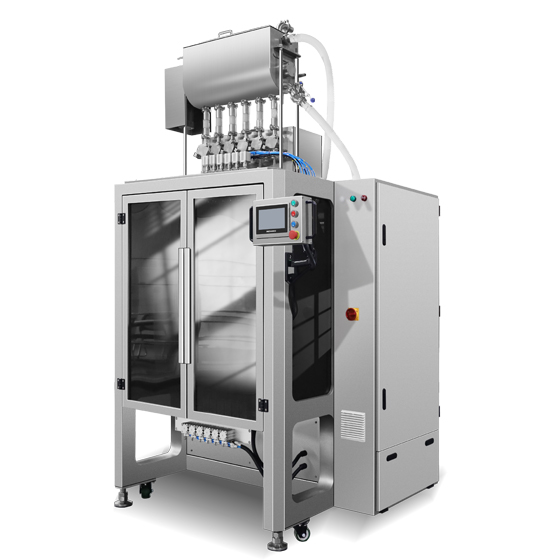
A stick packaging machine is a specialized form-fill-seal (FFS) machine designed to produce long, slender packets resembling “sticks.” The process begins with a roll of flexible laminate film, which is formed into a continuous tube. The product is precisely dosed into this tube, which is then heat-sealed longitudinally and transversely to create individual, sealed packets. These packets are typically separated by perforations for easy dispensing. The core mechanism integrates several systems: a film unwinding and forming unit, a precision auger or volumetric filler for powders, a liquid pump for fluids, and a sophisticated sealing system. Advanced models feature servo-driven technology for exceptional accuracy, minimal product waste, and quick changeovers between different products and pack sizes.
The journey from basic sachet machines to today’s high-speed, intelligent stick packagers marks a significant evolution. Early machines were mechanically driven, with limited speed and flexibility. The advent of servo-motor technology transformed the landscape, enabling programmable motion control, higher speeds (often exceeding 600 packs per minute), and gentle product handling. Modern machines are part of the Industry 4.0 revolution, equipped with IoT sensors, human-machine interfaces (HMIs), and data connectivity for predictive maintenance and real-time production monitoring. Furthermore, the materials used have advanced from simple plastics to high-barrier, sustainable laminates that extend shelf life and meet eco-friendly demands, making the stick pack a smart choice for both functionality and sustainability.
The stick pack’s unique format offers distinct advantages across diverse sectors, driving its widespread adoption.
In the pharmaceutical and nutraceutical industries, precision and compliance are paramount. Stick packaging machines excel here by providing accurate, tamper-evident, and unit-dose packaging for powders, granules, and instant drink mixes. This format ensures perfect dosage every time, enhances patient compliance, and protects hygroscopic or oxygen-sensitive ingredients like vitamins, probiotics, and electrolytes. The small surface area of the stick pack minimizes headspace and oxygen exposure, crucial for maintaining product efficacy. Leading machines in this sector are often designed to meet stringent GMP (Good Manufacturing Practice) standards, with features like easy-clean designs, validated cleaning protocols, and documentation support.
The food and beverage industry leverages stick packaging for ultimate consumer convenience. Single servings of coffee, sugar, sweeteners, protein powders, instant soups, and spices are perfectly suited to this format. For liquid products like sauces, honey, or salad dressings, specialized liquid stick pack machines create leak-proof seals. The stick shape is not only space-efficient for storage and shipping but also ideal for on-the-go consumption, fitting easily into lunchboxes, travel bags, or pockets. This has made it a favorite format for product sampling, promotional campaigns, and premium gourmet offerings, where presentation and user experience are critical.
Selecting the right machine is a capital-intensive decision that impacts long-term operational efficiency. Here are the essential factors to consider.
The core specifications define the machine’s capability. Speed, measured in sticks per minute (spm), must align with your production volume needs. However, speed should not compromise filling accuracy; look for machines with high-precision servo-driven augers or pumps, especially for expensive products. Flexibility is another key criterion: how quickly can you changeover between different product types and stick dimensions? Machines with recipe storage and tool-less changeover parts drastically reduce downtime. Additionally, consider the range of products the machine can handle—free-flowing powders, cohesive powders, granules, or liquids—and ensure the filling system is specifically engineered for your product’s characteristics.
Beyond specifications, operational reliability is vital. For food, pharma, or cosmetic applications, hygienic design is non-negotiable. Seek machines with stainless steel contact parts, smooth surfaces without crevices, and CIP (Clean-in-Place) capabilities. Machine uptime is directly tied to robust construction and accessible service points. Evaluate the quality of the sealing system, as consistent, strong seals prevent leakers and product spoilage. Finally, the manufacturer’s technical support, training, and spare parts availability are crucial for minimizing disruptions and ensuring a strong return on investment over the machine’s lifecycle.
The stick packaging sector continues to evolve, driven by consumer demands and technological advancements.
A major trend is the shift toward sustainable packaging solutions. Machine manufacturers and material suppliers are collaborating to develop stick packs using mono-material films (like polypropylene or polyethylene) that are fully recyclable, as opposed to traditional multi-layer, non-recyclable laminates. Additionally, the use of bio-based and compostable films is growing. Modern stick packaging machines are being adapted to run these new, sometimes more challenging, materials efficiently, ensuring seal integrity remains high. This addresses the growing consumer and regulatory pressure for environmentally responsible packaging without sacrificing functionality.
The future stick packaging line is fully integrated and intelligent. Machines are becoming nodes in a connected factory network, feeding real-time data on production output, OEE (Overall Equipment Effectiveness), maintenance alerts, and quality parameters to central MES (Manufacturing Execution Systems). Vision inspection systems integrated directly with the machine can automatically detect and reject packs with sealing defects, incorrect fill levels, or misprinted codes. This level of predictive analytics and quality assurance minimizes waste, optimizes production planning, and ensures consistent, high-quality output, paving the way for lights-out manufacturing in some environments.
Investing in a stick packaging machine is a strategic decision that can enhance product appeal, improve operational efficiency, and open new market opportunities. By understanding the intricate technology, carefully matching machine capabilities to specific product and output needs, and staying abreast of material and digital trends, businesses can make an informed choice. A well-selected stick packaging system is not just a piece of equipment; it is a powerful tool for brand differentiation, cost control, and sustainable growth in a competitive marketplace. Whether you are entering the stick pack market or upgrading existing capacity, prioritizing precision, flexibility, and future-ready features will ensure your packaging line delivers long-term value.
Relevant Recommendation
PRODUCTS
Guangdong Coretamp Packaging Machinery Co., Ltd.
CONTACT