
Products
In today’s fast-paced consumer markets, from pharmaceuticals and food to cosmetics and agrochemicals, the demand for precise, convenient, and cost-effective single-dose packaging has skyrocketed. At the heart of this revolution is the sachet packaging machine. This sophisticated equipment is no longer just a tool for sealing powders or liquids in small pouches; it represents a critical intersection of engineering precision, market adaptability, and brand innovation. For manufacturers, choosing the right sachet packaging solution is a strategic decision impacting operational efficiency, product integrity, and bottom-line profitability. This comprehensive guide delves deep into the world of sachet packaging machinery, exploring its technological advancements, diverse applications, and key considerations for investment, providing you with the actionable insights needed to make an informed decision.
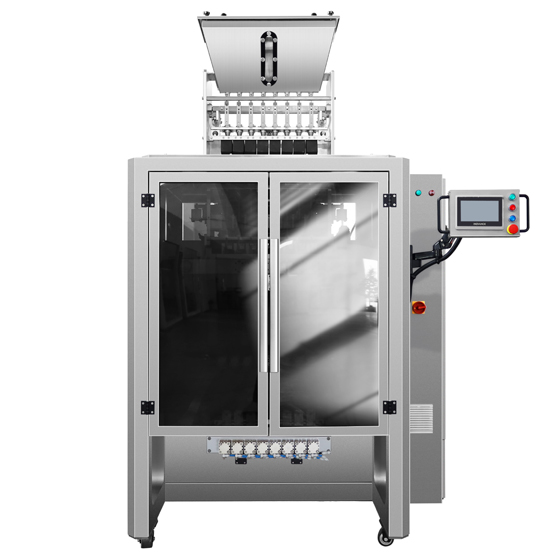
The shift towards sachet packaging is a direct response to evolving global market trends. Understanding this landscape is crucial for appreciating the machine’s role.
Consumer preference for on-the-go, portion-controlled products is a primary driver. Sachets offer unmatched convenience for samples, single servings of condiments, coffee, or shampoo. Economically, they lower the entry cost for consumers trying premium products and reduce material usage compared to rigid packaging. From a sustainability angle (though complex), optimized material use and reduced product waste due to exact portioning are significant advantages, pushing brands towards mono-material or recyclable laminate sachet solutions that new-generation machines can handle.
The application of sachet machines spans a breathtaking array of industries. In the food industry, they package ketchup, spices, instant drinks, and yogurt toppings. The pharmaceutical and nutraceutical sectors rely on them for precise dosing of powders, granules, and liquids, with stringent requirements for hygiene and accuracy. Personal care and cosmetics use them for shampoo, lotion, and cream samples. Agrochemicals and industrial chemicals utilize specialized sachets for safe, pre-measured doses of detergents or pesticides. This cross-sector demand fuels continuous innovation in machine design.
Moving beyond the basic concept, modern sachet packers are marvels of mechatronics, integrating mechanical, electrical, and software components.
At its simplest, the process involves film unwinding, forming, filling, and sealing. However, the execution defines the machine type. Vertical Form-Fill-Seal (VFFS) machines are the most common for high-speed, free-flowing products. A flat film is formed into a tube, filled, and then sealed horizontally and vertically to create individual pouches. Horizontal Form-Fill-Seal (HFFS) machines are often used for more complex, shaped sachets or when placing a product onto the film before forming. The machine creates the sachet around the product. Four-side seal machines use pre-folded film, creating a fin or flat seal on all edges, ideal for premium look and stability.
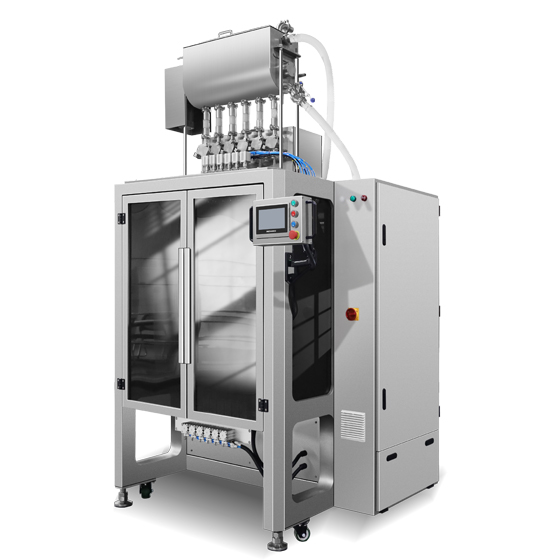
The true depth lies in the subsystems. Precision Auger Fillers driven by servo motors handle powders with ±1% accuracy. Liquid pumps (piston, diaphragm, peristaltic) ensure drip-free filling of viscous to watery products. Gas Flushing systems inject nitrogen or other inert gases for product preservation. Modern machines are governed by Programmable Logic Controllers (PLCs) and Human-Machine Interfaces (HMIs) that store hundreds of recipes, monitor production in real-time, track OEE (Overall Equipment Effectiveness), and facilitate quick changeovers via servo-driven adjustments. Machine Vision systems perform 100% inspection for seal integrity, print registration, and fill level.
Investing in a sachet machine is a significant commitment. A strategic selection process mitigates risk and ensures long-term ROI.
Start with a deep analysis of your own needs:
Armed with your requirements, evaluate machines and suppliers on:
The innovation curve for sachet packaging machinery is steep, focusing on intelligence and environmental responsibility.
The modern sachet machine is a data hub. IIoT (Industrial Internet of Things) sensors monitor vibration, temperature, and motor currents for predictive maintenance, preventing unplanned downtime. Cloud connectivity allows remote diagnostics and performance benchmarking across multiple factory sites. Data analytics from the machine can optimize raw material usage (film and product) and provide full traceability for every batch produced, a key demand in pharmaceuticals and food safety.
Machines are adapting to support sustainable packaging shifts. This includes the ability to run recyclable mono-material films (like advanced PE or PP structures) which have different sealing and handling characteristics than traditional multi-layer laminates. Developers are also creating machines that can efficiently handle compostable or bio-based films, which can be more delicate and require precise temperature control. Furthermore, advanced weighing and vision systems are crucial to minimizing product giveaway, ensuring sustainability isn’t just about the packet, but also about conserving the resource inside.
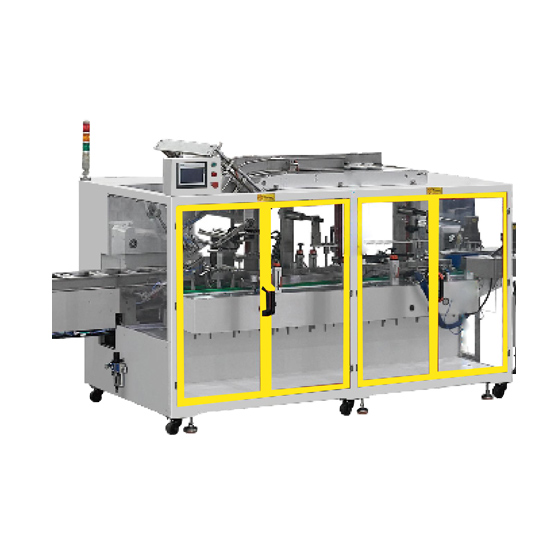
The sachet packaging machine is far more than a simple sealing device; it is a sophisticated, strategic asset that enables brand growth, operational excellence, and adaptability in a dynamic market. From enabling innovative business models through single-serve offerings to ensuring lifesaving medications are dosed accurately, its impact is profound. Success lies in a thorough understanding of your product and production goals, paired with careful selection of a machine that offers not just speed, but also precision, flexibility, and smart connectivity. By investing in the right technology and partnering with a reputable supplier, you position your business to capitalize on the enduring demand for convenient, sustainable, and precisely packaged products.
Ready to explore specific sachet packaging solutions for your product line? The next step is to engage with experienced manufacturers, request product-specific demonstrations, and see firsthand how today’s advanced machinery can transform your packaging operation. Begin your journey by defining your key requirements and reaching out to industry leaders for a detailed consultation.
Relevant Recommendation
PRODUCTS
Guangdong Coretamp Packaging Machinery Co., Ltd.
CONTACT