
Products
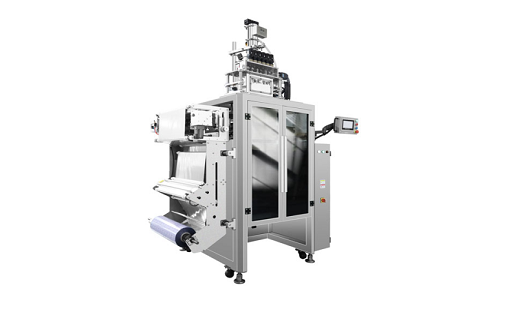
Modern production lines require more than simple speed; they demand a level of precision that balances volume with waste reduction. The stick packaging machine has become a cornerstone for manufacturers delivering unit-dose products to global markets. These systems transform flat rolls of film into individual, sealed sachets containing anything from pharmaceutical powders to liquid electrolytes.
Choosing the right equipment determines your facility’s long-term output efficiency. High-speed multi-lane systems offer a compact footprint while multiplying production capacity by a factor of ten or more. For us, the goal is always to integrate these machines into existing workflows without creating new bottlenecks in downstream processes.
Standard single-lane machines often struggle with consistent flow when handling varied material densities. Multi-lane systems utilize independent dosing units for each path, ensuring that every stick receives the exact same volume of product. This is particularly critical in the pharmaceutical sector, where a 1% deviation in active ingredients can lead to batch rejection.
The precision comes from the vertical form fill seal (VFFS) mechanism. As the film descends, it is wrapped around a forming tube and sealed longitudinally. Precise heat control and pressure distribution are required to prevent leaks during this rapid transition.
If the film pulls too tight or sags during the forming process, the resulting seal will be misaligned or weak. Automatic tensioning systems use sensors to adjust the unwind speed in real-time. This prevents the “creeping” effect where graphics on the stick start to shift out of place over thousands of cycles.
Reliable seals protect the product from moisture and oxidation. For sensitive materials like instant coffee or probiotic powders, the barrier properties of the film must be matched by the mechanical strength of the seal itself. A failed seal in a single stick can contaminate an entire shipping carton.
| Component | Function in Stick Packaging | Impact on Quality |
|---|---|---|
| PLC Controller | Manages timing and synchronization | Reduces operational drift |
| Servo Motors | Drives film pull and sealing jaws | Ensures consistent length |
| Heat Sensors | Monitors sealing temperature | Prevents burn-through or leaks |
The physical properties of the product dictate the filler design. Augers are used for non-free-flowing powders that need to be pushed through the tube. Conversely, piston pumps or peristaltic pumps handle liquids with varying viscosities, from thin water-like supplements to thick pastes.
Selecting the wrong filler leads to “dusting” or “dripping,” which compromises the sealing area. When product particles get trapped in the heat-seal zone, the package loses its airtight properties. Proper integration involves matching the filler’s cycle speed perfectly with the machine’s mechanical stroke.
Traditional packaging methods often result in significant film scrap during start-up and shut-down phases. Modern systems minimize this by using “no product, no bag” sensors. If the filler detects a shortage, the machine pauses the film feed instantly, saving kilometers of expensive laminate over a year of operation.
Reducing waste also involves optimizing the width of the longitudinal seal. Narrower seals allow for more lanes within the same machine width. This maximization of the film roll’s surface area directly lowers the cost per unit for the manufacturer.
Integration with SCADA or MES systems allows plant managers to monitor performance data from a central office. Real-time tracking of OEE (Overall Equipment Effectiveness) helps identify when a specific lane is underperforming. This data-driven approach moves maintenance from a reactive model to a predictive one.
For us, providing machines that support multiple operation languages and remote diagnostics is about future-proofing the investment. Operators can quickly toggle settings via touch screens, reducing the downtime associated with product changeovers.
What is the maximum speed per lane?
Most industrial systems achieve between 30 and 80 cycles per minute per lane, depending on the product’s flow characteristics and the seal requirements.
Can one machine handle different stick widths?
While length is easily adjustable via the HMI, changing the width usually requires replacing the forming tubes and adjusting the slitting blades.
How is the “easy-tear” feature added?
A small notch or laser perforation is integrated into the sealing jaw or a separate cutting station to ensure consumers can open the package without tools.
The technical specifications and maintenance guidelines provided here are based on general industrial standards and should be used for reference. Always consult with a qualified engineer or refer to your specific equipment manual before performing high-level calibrations.
Our vertical form fill seal machines ensure precision and reliability in every seal. As global demand for portable, single-use packaging grows, the stick packaging machine remains the most efficient solution for scaling production while maintaining strict quality control. Integrating these systems into a digital factory environment ensures that your packaging capabilities remain competitive in an increasingly automated landscape.
Relevant Recommendation
PRODUCTS
Guangdong Coretamp Packaging Machinery Co., Ltd.
CONTACT