
Products
A stick packaging machine is a specialized automated system designed to form, fill, and seal narrow, elongated pouches (stick packs) from flexible packaging materials. Ideal for single-serve portions, these machines handle a wide range of products—from powders and granules to liquids and semi-solids—with precision and speed. The process involves unwinding film, forming it into a tube, sealing the bottom, filling the product, and sealing/cutting the top to create individual stick packs.
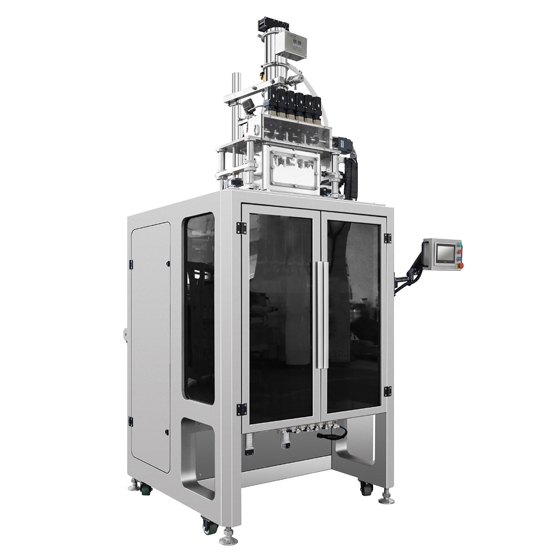
Critical components include: a film unwinding station with tension control, a forming collar to shape the film into a tube, vertical and horizontal sealing jaws (with temperature control), a product feeding system (auger for powders, pump for liquids), and a cutting mechanism. Advanced models integrate sensors for film alignment, product detection, and seal integrity checks, ensuring consistent quality.
Manual stick pack machines are suitable for small-batch production (10-30 packs per minute) and require operator intervention for film loading and product feeding. Automatic machines, by contrast, operate at 50-200 packs per minute, with fully automated film unwinding, product filling, and sealing—ideal for high-volume manufacturing. Some automatic models offer multi-lane capabilities, producing up to 10 sticks simultaneously.
Stick packaging machines minimize material waste by using precisely sized film for each pack—reducing packaging material costs by up to 25% compared to traditional pouches. Their automated operation also cuts labor costs, with one machine replacing 4-6 manual workers. Additionally, single-serve portions reduce product giveaway and extend shelf life.
Stick packs offer excellent branding opportunities with high-quality printing (up to 10 colors) and unique shapes (e.g., tapered, rounded ends). They are lightweight, portable, and easy to open—key factors for consumer convenience. For example, stick packs of coffee or energy drinks are popular among on-the-go consumers, driving higher sales and brand loyalty.
Leading manufacturers include Bosch Packaging Technology, IMA Group, and Uhlmann. When comparing options, look for machines with: user-friendly HMI interfaces, quick changeover capabilities (for different pack sizes), and modular designs (to add features like nitrogen flushing or date coding). Regional suppliers may offer cost-effective solutions for specific industries.
Stick packs are widely used for coffee, tea, sugar, salt, spices, and condiments. A coffee manufacturer, for example, can produce 100+ stick packs per minute, each containing a precise dose of coffee powder—ideal for single-serve use in offices or cafes.
In pharmaceuticals, stick packs are used for powdered medications, vitamins, and dietary supplements. They offer tamper-evident sealing and precise dosing, ensuring product safety and compliance with regulatory standards.
Stick packs are popular for hand sanitizers, shampoo, conditioner, and detergent pods. Their compact size makes them ideal for travel kits, while their hermetic sealing preserves product freshness.
The next generation of stick pack machines will feature IoT connectivity for real-time monitoring of production data (e.g., pack count, seal temperature, filling accuracy). Predictive maintenance algorithms will alert operators to potential issues before they cause downtime, optimizing efficiency.
As consumers demand eco-friendly options, manufacturers are developing machines that handle compostable films (e.g., PLA) and reduce material waste. Some models use minimal film overlap for sealing, cutting material usage by up to 15%. Additionally, water-based inks for printing are becoming standard to reduce environmental impact.
A specialty coffee brand replaced manual packaging with an automatic stick pack machine, increasing production speed from 20 to 120 packs per minute. The machine’s ability to handle different pack sizes (from 1g to 5g) allowed the brand to launch new product lines, leading to a 40% increase in sales within 6 months.
A vitamin manufacturer implemented a stick pack machine for packaging powdered supplements, ensuring compliance with GMP standards. The machine’s precise dosing system reduced product giveaway by 10%, while its tamper-evident sealing improved product safety—resulting in a 25% reduction in customer complaints.
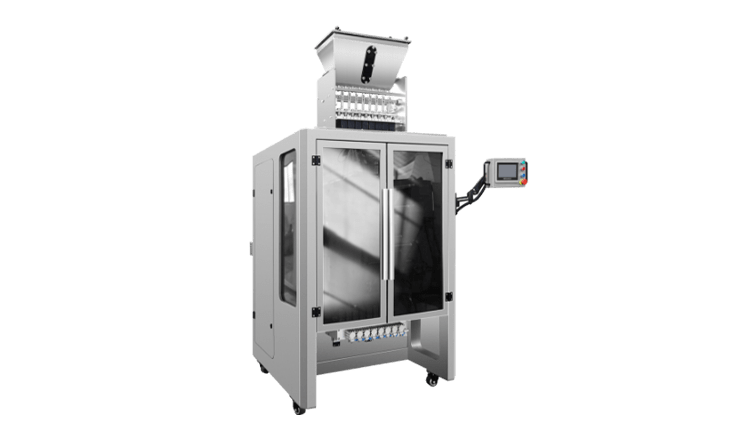
Stick packaging machines are revolutionizing single-serve packaging, offering efficiency, flexibility, and consumer appeal across industries. By understanding the technology, choosing the right machine, and implementing proper maintenance, businesses can optimize their packaging processes and stay competitive. As smart technology and sustainable solutions continue to evolve, investing in advanced stick pack machines will be key to future success.
For more information on stick packaging solutions, contact a trusted manufacturer to discuss your specific needs and explore customization options.
Relevant Recommendation
PRODUCTS
Guangdong Coretamp Packaging Machinery Co., Ltd.
CONTACT