
Products
In the competitive landscape of small-scale manufacturing and retail, packaging efficiency can make or break your business. A small sachet packing machine is a game-changer for entrepreneurs, startups, and small businesses looking to package products like spices, condiments, cosmetics, or pharmaceuticals in single-serve sachets. This comprehensive guide will walk you through everything you need to know about small sachet packing machines—from their core functionality to choosing the right model for your business needs.
What is a Small Sachet Packing Machine?
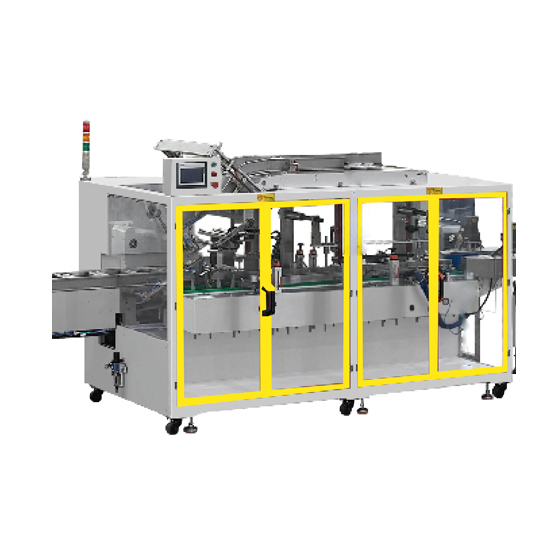
A small sachet packing machine is a compact, automated device designed to fill and seal small, single-serve sachets with liquid, powder, or granular products. Unlike industrial-scale machines, these units are optimized for small production volumes (typically 50–500 sachets per hour) and are ideal for businesses with limited space or budget. They come in various configurations, including manual, semi-automatic, and fully automatic models, each tailored to different production needs.
Key Components of a Small Sachet Packing Machine
Hopper: The hopper stores the product (powder, liquid, or granules) before it’s fed into the filling system. For small machines, hoppers are usually smaller in capacity (1–5 liters) and made of food-grade stainless steel to ensure hygiene.
Filling Mechanism: The filling system dispenses precise amounts of product into each sachet. Common types include volumetric fillers (for powders/granules) and piston fillers (for liquids/pastes). Small machines often use gravity-fed or auger-based filling to minimize complexity.
Sealing System: After filling, the machine seals the sachet to prevent leakage and preserve product freshness. Heat sealing is the most common method, with adjustable temperature controls to accommodate different packaging materials (plastic, aluminum foil, or composite films).
Control Panel: Most small sachet machines feature a user-friendly control panel (often with a touchscreen) to set parameters like filling volume, sealing time, and production speed. Basic models may use mechanical dials for simpler operations.
Types of Small Sachet Packing Machines
Choosing the right type of small sachet packing machine depends on your product type, production volume, and budget. Here are the most common categories:
Manual Small Sachet Packing Machines
Manual machines require human intervention for tasks like loading packaging material, triggering the filling process, and removing finished sachets. They are the most affordable option (starting at $500–$2,000) and ideal for very small businesses or startups with low production needs (10–50 sachets per hour).
Semi-Automatic Small Sachet Packing Machines
Semi-automatic machines automate key steps (e.g., filling and sealing) but still require manual loading of packaging material. They offer higher efficiency (50–200 sachets per hour) and are suitable for businesses scaling up from manual operations. Prices range from $2,000–$10,000.
Fully Automatic Small Sachet Packing Machines
Fully automatic machines handle the entire process—from unwinding packaging material to sealing and cutting finished sachets—with minimal human intervention. They are ideal for medium-scale production (200–500 sachets per hour) and come with advanced features like automatic film tension control and error detection. Prices start at $10,000 and go up based on customization.
Factors to Consider When Choosing a Small Sachet Packing Machine
Selecting the right small sachet packing machine requires evaluating several critical factors to ensure it aligns with your business goals:
Product Type and Consistency
Powders/Granules: Choose a machine with a volumetric or auger filler to handle dry products like spices, sugar, or coffee. Look for anti-clogging features if your product is fine or prone to clumping.
Liquids/Pastes: Opt for a piston or peristaltic pump filler to handle liquids (e.g., sauces, oils) or pastes (e.g., creams, toothpaste). Ensure the machine has leak-proof seals to prevent product waste.
Production Volume
Low Volume (10–50 sachets/hour): Manual machines are sufficient for small batches or test runs.
Medium Volume (50–200 sachets/hour): Semi-automatic machines balance cost and efficiency.
High Volume (200–500 sachets/hour): Fully automatic machines are the best choice for consistent, large-scale production.
Space and Portability
Small sachet machines are designed to fit in compact spaces, but you should still measure your available area before purchasing. Look for models with wheels or a lightweight frame if you need to move the machine between workstations.
Budget and ROI
Entry-Level: Manual machines are the most cost-effective but require more labor.
Mid-Range: Semi-automatic machines offer better efficiency and faster ROI for growing businesses.
Premium: Fully automatic machines have a higher upfront cost but reduce long-term labor expenses and increase production capacity.
Benefits of Using a Small Sachet Packing Machine
Investing in a small sachet packing machine offers numerous advantages for small businesses:
Cost Savings
Manual packaging is labor-intensive and prone to errors. A small sachet machine reduces labor costs by automating filling and sealing, while precise portioning minimizes product waste.
Consistency and Quality
Automated machines ensure every sachet has the exact same volume and seal quality, which enhances product consistency and customer trust. This is critical for building a reputable brand.
Scalability
As your business grows, you can upgrade from a manual to a semi-automatic or fully automatic machine without overhauling your entire production line. Many small machines are modular, allowing you to add features like date coding or labeling later.
Compliance with Regulations
Small sachet machines designed for food or pharmaceutical products often meet industry standards (e.g., FDA, GMP) for hygiene and safety. This helps you avoid regulatory fines and ensures your products are safe for consumers.
How to Maintain Your Small Sachet Packing Machine
Proper maintenance is essential to keep your machine running smoothly and extend its lifespan. Here are key maintenance tips:
Regular Cleaning
Daily: Wipe down the hopper, filling nozzle, and sealing bars with a food-grade cleaner to remove product residue.
Weekly: Disassemble the filling mechanism and clean all parts to prevent clogs or bacterial growth.
Monthly: Inspect the machine for loose screws, worn seals, or damaged parts.
Lubrication
Lubricate moving parts (e.g., gears, chains) with food-grade lubricant every 2–4 weeks to reduce friction and wear. Avoid over-lubricating, as this can attract dust and debris.
Calibration
Calibrate the filling volume regularly (every 1–2 months) to ensure accurate portioning. Most machines have a calibration function in the control panel or require manual adjustment of the filling mechanism.
Training for Operators
Ensure your staff is trained to operate the machine correctly. Provide them with the user manual and conduct regular refresher training to avoid mistakes that could damage the machine or produce defective sachets.
Choosing the Right Supplier for Your Small Sachet Packing Machine
Selecting a reliable supplier is as important as choosing the right machine. Here’s what to look for:
Industry Experience
Choose a supplier with experience in your industry (e.g., food, cosmetics, pharmaceuticals). They will understand your specific needs and can recommend the best machine for your product.
Customization Options
Look for suppliers that offer customization, such as adjustable filling volumes, different sachet sizes, or compatibility with specific packaging materials. This ensures the machine fits your unique requirements.
After-Sales Support
A good supplier should provide comprehensive after-sales support, including installation, training, and repair services. Ask about their warranty policy and response time for technical issues.
Customer Reviews and References
Check online reviews and ask for references from past customers. This will give you insight into the supplier’s reliability, product quality, and customer service.
Conclusion
A small sachet packing machine is an essential investment for small businesses looking to improve packaging efficiency, reduce costs, and scale their operations. By understanding the different types of machines, key features to consider, and maintenance best practices, you can choose the right model for your business needs. Remember to work with a reputable supplier that offers customization and after-sales support to ensure long-term success.
If you’re looking for a high-quality small sachet packing machine, look no further than small sachet packing machine. Our machines are designed to meet the needs of small businesses, with compact designs, easy operation, and reliable performance. Contact us today to learn more about our products and how we can help your business grow.
Relevant Recommendation
PRODUCTS
Guangdong Coretamp Packaging Machinery Co., Ltd.
CONTACT