
Products
In the competitive food and beverage industry, packaging is more than just a container—it’s a critical component of brand identity, product safety, and operational efficiency. A high-performance sauce packing machine can transform your production line, reducing waste, ensuring consistency, and meeting the strict quality standards demanded by consumers and regulators. Whether you’re packaging ketchup, mayonnaise, hot sauce, or specialty condiments, choosing the right sauce packing machine is essential for scaling your business and staying ahead of the competition.
What is a Sauce Packing Machine?
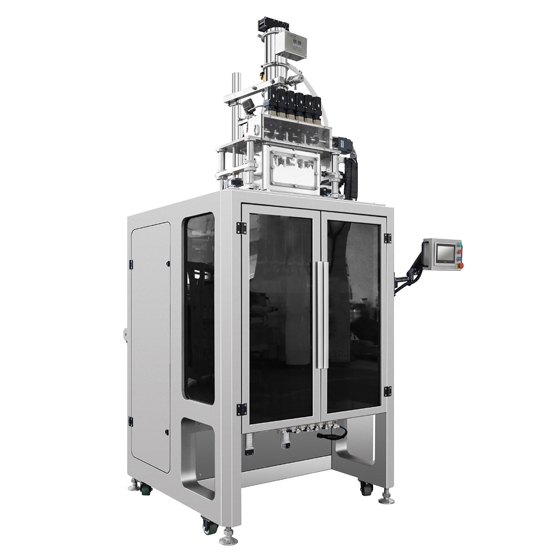
A sauce packing machine is a specialized piece of equipment designed to fill, seal, and label liquid or semi-liquid sauce products into various packaging formats, including bottles, jars, pouches, and sachets. These machines are engineered to handle the unique viscosity and texture of sauces, from thin, watery condiments to thick, chunky spreads. The core function of a sauce packing machine is to ensure precise filling volumes, airtight sealing, and accurate labeling—all while maintaining the freshness and quality of the product.
Key Components of a Sauce Packing Machine
Product Hopper: The hopper stores the sauce before it is fed into the filling system. It is typically made of food-grade stainless steel to prevent contamination and ensure easy cleaning. Many hoppers include agitators or mixers to keep the sauce homogeneous and prevent separation of ingredients.
Filling System: The filling system is the heart of the sauce packing machine. It dispenses the exact amount of sauce into each package using one of several technologies: piston fillers for thick sauces, gravity fillers for thin liquids, or volumetric fillers for consistent portioning. Advanced systems may include flow meters or load cells for precise volume control.
Sealing Mechanism: After filling, the sealing mechanism ensures that the package is airtight to prevent leakage and preserve product freshness. Common sealing methods include heat sealing for pouches, screw capping for bottles, and induction sealing for tamper-evident closures. The choice of sealing method depends on the packaging material and product shelf life requirements.
Labeling System: A labeling system applies product labels to the packages, including brand logos, nutritional information, and expiration dates. Modern sauce packing machines may integrate automatic labeling systems that align labels precisely and apply them at high speeds.
Control Panel: The control panel allows operators to set parameters such as filling volume, sealing temperature, and production speed. Touchscreen interfaces and programmable logic controllers (PLCs) make it easy to adjust settings and monitor production in real time.
Types of Sauce Packing Machines
There are several types of sauce packing machines, each designed for specific packaging formats and production volumes. Understanding the different types can help you select the right machine for your business needs.
Bottle and Jar Sauce Packing Machines
Bottle and jar packing machines are ideal for packaging sauces in rigid containers such as glass or plastic bottles. These machines typically include a filling station, capping station, and labeling station. They are suitable for high-volume production and can handle a wide range of bottle sizes and shapes. Advanced models may include automatic bottle loading and unloading systems to maximize efficiency.
Pouch and Sachet Sauce Packing Machines
Pouch and sachet packing machines are designed for flexible packaging formats, such as stand-up pouches or single-serve sachets. These machines are popular for portion-controlled products and are often used in the fast-food and catering industries. They offer high-speed filling and sealing capabilities, with some models capable of producing up to 200 pouches per minute.
Automatic vs. Semi-Automatic Sauce Packing Machines
Automatic Machines: Automatic sauce packing machines are fully integrated systems that handle all aspects of the packaging process, from filling to sealing and labeling. They are ideal for high-volume production lines and require minimal operator intervention.
Semi-Automatic Machines: Semi-automatic machines require some manual input, such as loading containers or initiating the filling process. They are suitable for small to medium production volumes and are often more cost-effective than automatic machines.
Factors to Consider When Choosing a Sauce Packing Machine
Selecting the right sauce packing machine requires careful consideration of several key factors. Here are the most important aspects to evaluate:
Product Characteristics
The type of sauce you are packaging will significantly influence your machine choice. Consider the following product attributes:
Viscosity: Thin sauces (e.g., soy sauce) require different filling systems than thick sauces (e.g., mayonnaise). Piston fillers are ideal for thick, viscous products, while gravity fillers work best for thin liquids.
Particulate Content: Sauces with chunks or particles (e.g., salsa, chutney) require machines with larger filling nozzles to prevent clogging. Look for machines with adjustable nozzle sizes and anti-clogging features.
Hygiene Requirements: Food-grade materials and easy-to-clean designs are essential for sauce packaging. Stainless steel construction and smooth surfaces prevent bacterial growth and simplify sanitation.
Packaging Requirements
The type of packaging you use will also impact your machine selection. Consider the following packaging factors:
Package Type: Are you using bottles, jars, pouches, or sachets? Each package type requires a specialized machine. For example, pouch packing machines use heat sealing, while bottle packing machines use capping systems.
Package Size: The size of your packages will determine the machine’s capacity. Make sure the machine can handle the range of package sizes you require, from small single-serve sachets to large family-sized bottles.
Sealing Requirements: The sealing method must be compatible with your packaging material. For example, plastic pouches require heat sealing, while glass jars use screw caps or induction seals.
Production Volume
Your production volume will dictate the speed and capacity of the machine you need. High-volume production lines require automatic machines with fast filling and sealing speeds, while small-batch producers may opt for semi-automatic machines. Consider your current production volume and future growth plans when selecting a machine.
Budget and Return on Investment (ROI)
Sauce packing machines range in price from a few thousand dollars to hundreds of thousands of dollars. While it may be tempting to choose the cheapest option, consider the long-term ROI. A high-quality machine may have a higher upfront cost but will reduce downtime, waste, and maintenance costs over time.
Benefits of Using a Sauce Packing Machine
Investing in a high-quality sauce packing machine offers numerous benefits for your business:
Increased Efficiency
A sauce packing machine can significantly increase the speed and efficiency of your packaging process. Manual packaging is time-consuming and prone to errors, while a machine can fill and seal hundreds of packages per minute with consistent accuracy.
Improved Product Quality
A sauce packing machine ensures that each package contains the exact amount of product specified, reducing waste and ensuring customer satisfaction. It also prevents contamination by minimizing human contact with the product.
Cost Savings
By reducing waste and increasing efficiency, a sauce packing machine can help you save money in the long run. It also reduces the need for manual labor, which can lower your labor costs.
Compliance with Regulations
The food and beverage industry is subject to strict regulations regarding packaging and labeling. A sauce packing machine can help you comply with these regulations by ensuring that your products are packaged accurately and labeled correctly.
How to Maintain Your Sauce Packing Machine
Proper maintenance is essential for ensuring the longevity and performance of your sauce packing machine. Here are some tips for keeping your machine in top condition:
Regular Cleaning
Clean your machine regularly to prevent the buildup of sauce residue and debris. Use food-grade cleaning agents and follow the manufacturer’s cleaning instructions. Pay special attention to the filling nozzles, hopper, and sealing mechanism, as these areas are prone to contamination.
Lubrication
Lubricate the moving parts of your machine regularly to prevent wear and tear. Use the lubricants recommended by the manufacturer and follow the lubrication schedule provided.
Inspection and Replacement of Parts
Inspect your machine regularly for signs of wear and tear. Replace any worn or damaged parts immediately to prevent breakdowns and ensure optimal performance. Common parts that may need replacement include seals, gaskets, and filling nozzles.
Training for Operators
Ensure that your operators are properly trained to use and maintain the machine. Provide them with the necessary training materials and instructions to ensure that they can operate the machine safely and efficiently.
Choosing the Right Supplier for Your Sauce Packing Machine
Choosing the right supplier is just as important as choosing the right machine. Here are some factors to consider when selecting a supplier:
Experience and Reputation
Look for a supplier with a proven track record of providing high-quality sauce packing machines. Check their customer reviews and testimonials to ensure that they have a good reputation in the industry.
Customization Options
Every business has unique packaging needs. Look for a supplier that offers customization options to ensure that the machine meets your specific requirements. This may include custom filling volumes, packaging formats, and control systems.
After-Sales Support
Choose a supplier that offers comprehensive after-sales support, including installation, training, and maintenance services. This will ensure that your machine is installed correctly and that you have access to support when you need it.
Warranty and Service Contracts
Look for a supplier that offers a warranty on their machines and service contracts for ongoing maintenance. This will give you peace of mind knowing that your machine is covered in case of any issues.
Conclusion
A sauce packing machine is an essential investment for any business that packages liquid or semi-liquid food products. By choosing the right machine, you can increase efficiency, improve product quality, and save money in the long run. Consider the factors discussed in this guide, such as product characteristics, packaging requirements, production volume, and budget, to make an informed decision. With the right machine and proper maintenance, you can ensure that your packaging process runs smoothly and efficiently, helping your business grow and succeed.
If you’re looking for a high-quality sauce packing machine, look no further than sauce packing machine. Our machines are designed to meet the highest standards of quality and performance, and we offer a wide range of options to suit your specific needs. Contact us today to learn more about our products and how we can help your business thrive.
Relevant Recommendation
PRODUCTS
Guangdong Coretamp Packaging Machinery Co., Ltd.
CONTACT