
Products
In modern industrial production, the sachet packing machine has become an indispensable core equipment in multiple industries such as food, pharmaceuticals, and chemicals. This efficient and precise automated packaging solution not only significantly improves production efficiency but also plays a crucial role in ensuring product quality and reducing waste. With the continuous development of technology, sachet packing machines are evolving towards intelligence and flexibility, bringing more competitive advantages to enterprises.
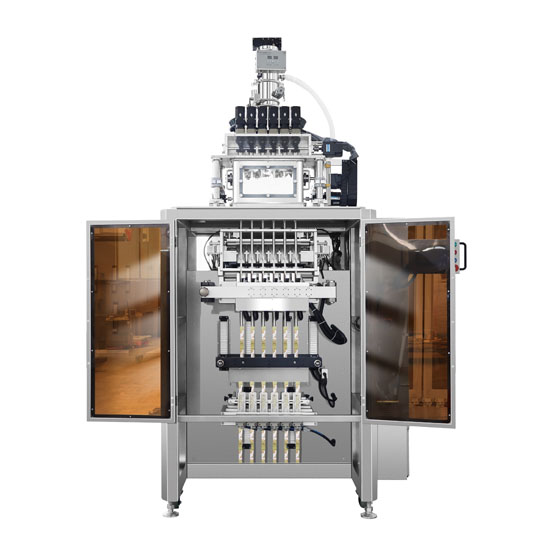
Early sachet packing machines were primarily mechanically controlled, with limited functionality and difficult adjustments. With the application of PLC (Programmable Logic Controller) and servo drive technology, modern equipment has achieved precise measurement control and high-speed operation. Today, new-generation sachet packing machines integrated with vision inspection systems, IoT modules, and artificial intelligence algorithms can monitor packaging quality in real time, automatically adjust parameters, and even predict maintenance needs.
Asia, particularly China, has become the world’s largest production and consumption market for sachet packing machines. The food industry accounts for 45% of application demand, with significant growth in segments such as condiments, instant beverages, and snacks. The pharmaceutical industry’s high requirements for cleanliness and precision are driving the development of sterile packaging technology. The daily chemical and agrochemical industries place greater emphasis on equipment corrosion resistance and diversified packaging capabilities.
Modern sachet packing machines typically adopt a modular design, comprising five core modules: feeding system, measuring device, bag-forming machine, sealing/cutting mechanism, and control system. Materials are accurately allocated through precision measuring devices (such as screw metering, volumetric metering, or combination weighers), then enter the bag-forming area, where vertical or horizontal sealing/cutting mechanisms complete the packaging. The latest equipment can produce 80-500 packs per minute, with errors controlled within ±1%.
Measuring accuracy directly affects product compliance and cost control. Advanced servo-driven metering systems improve precision by over 30% compared to traditional mechanical systems. Sealing quality depends on temperature control, pressure regulation, and material compatibility. Systems employing pulse heating and real-time temperature feedback can reduce defect rates to below 0.1%. Additionally, inert gas filling technology extends the shelf life of oxidation-prone products, becoming a standard feature in high-end sachet packing machines.
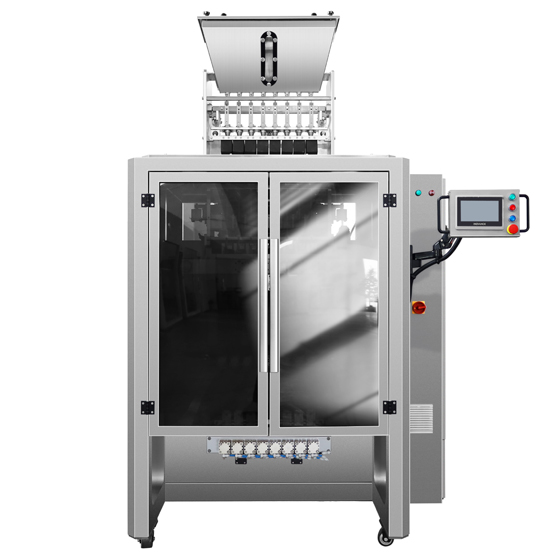
Poorly flowing powdered materials require forced feeding systems and anti-bridging devices; materials containing oils or with sticky properties need specially treated liners and cleaning designs; granular materials require anti-crushing mechanisms; liquid and paste products must be equipped with precise pumping systems and anti-drip devices. Enterprises should provide samples for actual testing to ensure perfect compatibility between the sachet packing machine and materials.
For enterprises with single-product, high-volume production, high-speed dedicated sachet packing machines are the most economical choice; multi-variety, small-batch production lines require quick changeover systems. Modular designs allow enterprises to gradually upgrade functions based on development needs, such as adding QR code printing, weight rechecking, or robotic palletizing systems later. The true return on investment should calculate comprehensive efficiency improvements and reduced losses over three years.
Food-grade sachet packing machines use 316L stainless steel materials and dead-angle-free designs, complying with international certification standards such as FDA and HACCP. Nitrogen-filled packaging for nut products can extend shelf life by 50%; fresh-cut fruits and vegetables maintain freshness through modified atmosphere packaging. The latest intelligent recognition systems automatically detect and reject poorly sealed or date-missing packages, ensuring 100% qualification upon leaving the factory.
Pharmaceutical-grade sachet packing machines meet cGMP requirements, featuring complete traceability systems and cleaning validation documentation. Desiccant packaging accuracy can reach ±0.1 grams, meeting drug stability requirements. Child-resistant packaging and Braille labeling functions have become essential in markets for elderly and special-needs medications. The application of isolator technology enables high-potency drugs to be safely packaged in completely enclosed environments.
Develop a time-based maintenance plan: daily cleaning of key contact parts, weekly inspection of sealing component wear, monthly calibration of measuring systems, and quarterly comprehensive maintenance of transmission parts. Utilizing the sachet packing machine‘s built-in OEE (Overall Equipment Effectiveness) monitoring function, enterprises can identify production bottlenecks, increasing equipment utilization from the industry average of 65% to over 85%.
Poor sealing is often caused by improper temperature, pressure, or time settings, requiring systematic adjustment rather than single-parameter modification; inaccurate measurement may result from changes in material characteristics or wear, necessitating regular calibration procedures. Modern sachet packing machines equipped with remote diagnostic functions allow manufacturer experts to view operational data in real time, resolving over 60% of issues remotely within two hours, significantly reducing downtime losses.
With growing demand for sustainable packaging, the market for sachet packing machines dedicated to biodegradable materials is growing at an annual rate exceeding 20%. The integration of flexible electronic printing technology enables each sachet to become an entry point for digital marketing. The modular, reconfigurable design philosophy extends equipment lifespan to over 10 years. For enterprises planning investments, prioritizing sachet packing machines with open communication protocols (such as OPC UA) is recommended to facilitate future integration into Industry 4.0 systems.
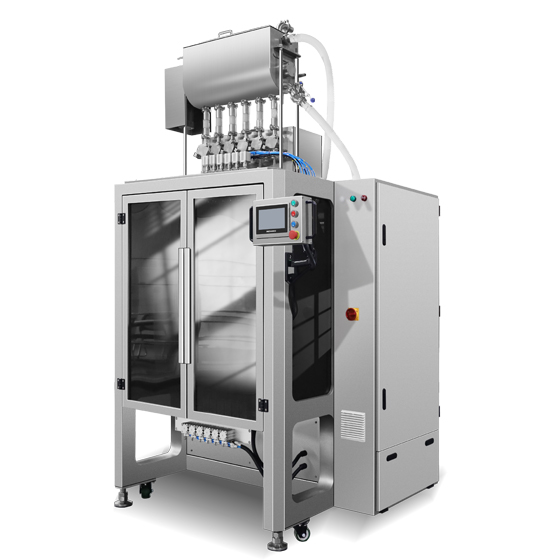
Sachet packing machines have evolved from simple sealing tools into high-end manufacturing systems integrating precision machinery, intelligent control, and data management. Correctly selecting and optimizing the use of this equipment can not only directly improve packaging efficiency but also enhance brand value through consistent quality. In an increasingly competitive market environment, investing in advanced sachet packing machines is no longer a cost expenditure but a strategic decision driving business growth.
For enterprises seeking packaging upgrades, understanding equipment technical principles, clarifying their own needs, selecting reliable suppliers, and establishing scientific maintenance systems are the four pillars for maximizing investment returns. As personalized consumption and sustainable development concepts deepen, sachet packing machines will continue to evolve, creating more value growth points for enterprises.
Relevant Recommendation
PRODUCTS
Guangdong Coretamp Packaging Machinery Co., Ltd.
CONTACT