
Products
In today’s rapidly developing industrial production, powder packaging machines have become indispensable core equipment in industries such as food, pharmaceuticals, and chemicals. As market demands for packaging accuracy, hygiene standards, and production efficiency continue to increase, powder packaging machines not only streamline the packaging process but also significantly reduce labor costs and material waste. This article will provide an in-depth exploration of the types, applications, selection guidelines, and future trends of powder packaging machines, offering a comprehensive understanding of this equipment and valuable reference for your business decisions.
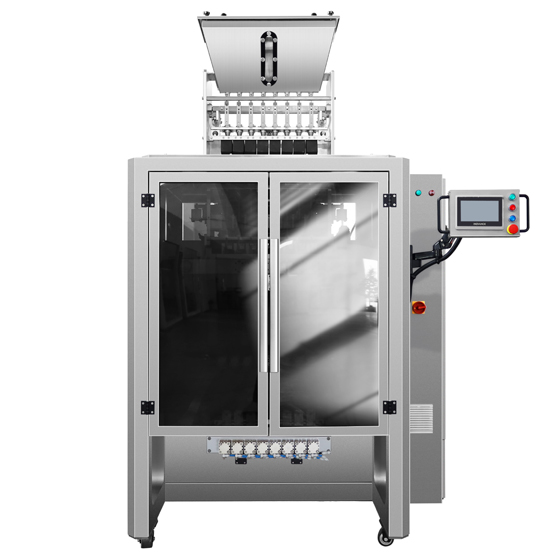
A powder packaging machine is specialized mechanical equipment designed for automatically metering, filling, and sealing powdered materials (such as milk powder, coffee powder, pharmaceutical powders, chemical raw materials, etc.). Utilizing high-precision sensors and control systems, it ensures the packaging process is fast, accurate, and hygienic, suitable for large-scale production lines or small-batch customized production.
A powder packaging machine is an automated device primarily used for packaging operations of powdered materials. Its importance is reflected in several aspects: Firstly, it can substantially increase production efficiency. An automatic powder packaging machine can handle hundreds or even thousands of packaging units per hour, far exceeding manual speed. Secondly, it guarantees packaging accuracy, with error margins controllable within ±0.5%. This is crucial for the pharmaceutical and food industries, avoiding cost losses or compliance risks caused by overfilling or underfilling. Finally, powder packaging machines elevate hygiene standards. Through enclosed designs and easy-to-clean materials, they reduce contamination risks and comply with stringent global industry regulations.
A typical powder packaging machine consists of several core components that work in synergy to achieve efficient packaging. The main structures include: The feeding system, responsible for transporting powder from the storage hopper to the metering unit, with common types being screw feeding and gravity feeding. The metering system, which precisely controls the weight of powder per package through volumetric or gravimetric technology (e.g., electronic scales). The filling system, which pours the metered powder into bags or containers, often employing vibration or compression methods to prevent dust dispersion. The sealing system, which uses heat sealing, sewing, or adhesive bonding to seal the packaging, ensuring product freshness and moisture protection. And the control system, typically based on PLC or touchscreen interfaces, allowing users to adjust parameters such as speed, weight, and packaging style. Understanding these structures helps users in equipment selection and maintenance.
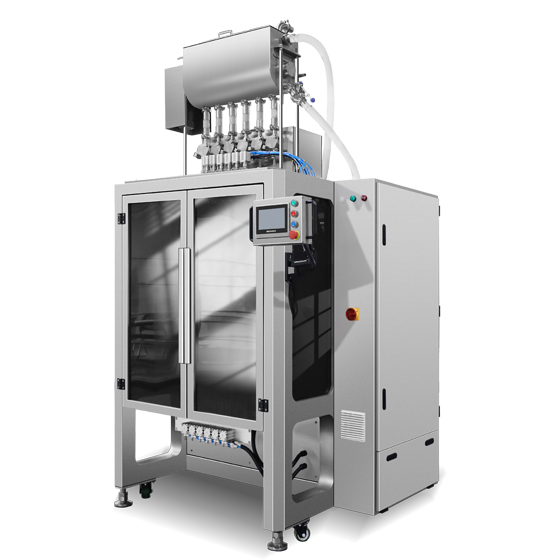
Powder packaging machines can be categorized into various types based on their degree of automation, packaging form, and application scenarios. Selecting the appropriate type can maximize production efficiency and meet the specific needs of different industries.
Powder packaging machines are mainly divided into two broad categories: automatic and semi-automatic. Automatic powder packaging machines feature high integration, requiring no manual intervention from feeding to sealing, making them suitable for large-scale continuous production, such as in large food processing plants. Semi-automatic powder packaging machines require manual assistance for bag placement or initiation. They are lower in cost, offer higher flexibility, and are suitable for small and medium-sized enterprises or trial production. Furthermore, based on structural design, there are vertical and horizontal types. Vertical powder packaging machines occupy less space and are suitable for filling upright bags, commonly seen in the milk powder and condiments industries. Horizontal powder packaging machines are used for pillow-type or box-type packaging, offer faster processing speeds, and are often used in the chemical and pharmaceutical fields. Each type has its advantages, and users need to choose based on production volume and space constraints.
Powder packaging machines are widely used across multiple industries, each with unique requirements. In the food industry, for packaging items like milk powder, coffee powder, flour, and spices, equipment must comply with food safety standards (such as FDA or CE certification) and possess moisture-proof and anti-oxidation functions to extend shelf life. The pharmaceutical industry demands extremely high precision and hygiene. Powder packaging machines are used for dispensing medicinal powders and traditional Chinese medicine powders, often equipped with sterile environments and online inspection systems to ensure accurate dosage and avoid contamination. The chemical industry focuses on corrosion resistance and explosion-proof design for packaging dyes, plastic powders, etc., with equipment materials often being stainless steel or special alloys. Additionally, the daily chemical and agricultural sectors also rely on powder packaging machines for handling detergents, pesticides, and other products. These application cases highlight the diversity and customization potential of the equipment.
Selecting the right powder packaging machine is a critical investment decision, requiring comprehensive consideration of technical parameters, budget, and long-term needs. An incorrect choice can lead to low production efficiency or high maintenance costs.
When evaluating a powder packaging machine, the primary focus should be on speed, accuracy, and material compatibility. Speed refers to the number of packaging units per hour, which must align with your production targets—for example, a high-speed production line may require over 60 packages per minute, while small-batch production may only need lower speeds. Accuracy directly impacts product quality and cost. Gravimetric (weighing) powder packaging machines typically offer higher accuracy (error ±0.1-0.5%) but at a higher cost; volumetric machines have lower accuracy and are suitable for materials with less stringent weight requirements. Material compatibility involves the interaction between the equipment and the powdered material: for hygroscopic or sticky powders (like protein powder), choose models with anti-stick coatings or vibration assistance; for corrosive chemical powders, the equipment material should be 316 stainless steel. Additionally, consider the type of packaging bag (e.g., stand-up pouches, aluminum foil bags) and the adjustment flexibility of the equipment.
The price range for powder packaging machines is wide, from basic semi-automatic models costing tens of thousands to fully automatic high-end systems costing hundreds of thousands. When planning a budget, besides the initial purchase cost, operational and maintenance expenses should also be calculated. For instance, an automatic powder packaging machine can reduce labor requirements, potentially offering a higher return on investment in the long run—assuming one machine replaces 3 workers, annual labor cost savings could exceed 100,000 currency units. Furthermore, consider energy consumption, spare part replacement frequency, and supplier after-sales service. Conducting a cost-benefit analysis is advisable: compare the total cost of ownership of different models over 3-5 years and assess their impact on production efficiency (e.g., reducing downtime, lowering scrap rates). Leasing or installment payment options can also help small and medium-sized enterprises alleviate capital pressure. The final choice should balance performance and cost, ensuring the equipment can adapt to future business expansion.
Proper operation and maintenance of powder packaging machines are crucial for ensuring their long-term stable performance. Neglecting this can lead to frequent failures, production interruptions, and even safety incidents.
Before operating a powder packaging machine, operators need to receive training and familiarize themselves with the manual. Basic steps include: pre-startup checks of power supply, air supply, and feeding systems; setting parameters such as packaging weight, speed, and temperature via the control panel; conducting trial runs to calibrate accuracy and adjusting feeding speed to prevent powder spillage. Safety guidelines are paramount: always wear protective equipment like gloves and masks; ensure the equipment is grounded to prevent electrostatic sparks, especially when handling flammable powders; prohibit reaching into mechanical parts while the machine is running, and install emergency stop buttons. For automatic models, regularly back up program data to prevent system failures. Case studies show that a pharmaceutical factory reduced packaging errors by 20% through standardized operating procedures while enhancing employee safety awareness.
Routine maintenance can extend the lifespan of a powder packaging machine and reduce unexpected downtime. Daily cleaning of the equipment surface and feeding path with a soft cloth is recommended, along with wiping sensors. Weekly inspections for wear on metering units and sealing components, and lubrication of moving parts like guides and bearings are advised. Monthly deep maintenance should include calibrating the weighing system, checking electrical connections, and replacing filters. Common faults and troubleshooting methods: If packaging weight is inaccurate, it may be due to a clogged feeding system or sensor drift, requiring cleaning or recalibration; if sealing is not secure, check temperature settings or the status of heating elements; for frequent shutdowns, review program error logs or power supply stability. Keeping a maintenance log helps track equipment history and facilitates collaboration with suppliers for regular servicing. A food company reduced equipment failure rates by 30% by implementing a preventive maintenance plan, significantly improving production efficiency.
The powder packaging machine industry is undergoing technological innovation to adapt to global trends of intelligence and sustainable development. Understanding these trends helps companies plan ahead and maintain a competitive edge.
With the advancement of Industry 4.0, powder packaging machines are becoming increasingly intelligent and automated. Future equipment will integrate Internet of Things (IoT) sensors to monitor operational data such as temperature, vibration, and energy consumption in real-time, enabling predictive maintenance through cloud platforms—for example, systems can warn of component failures in advance, reducing unplanned downtime. Artificial Intelligence (AI) technology is also being introduced to optimize packaging parameters: through machine learning algorithms, equipment can automatically adjust feeding speeds to adapt to different powder characteristics, improving accuracy by over 10%. Furthermore, collaborative robots (cobots) will be integrated with powder packaging machines to create flexible production lines, allowing quick switching of packaging styles to meet personalized customization demands. These innovations not only enhance efficiency but also reduce human error, pushing the industry towards the development of “dark factories.”
Environmental protection and energy conservation are becoming important considerations in powder packaging machine design. Future equipment will increasingly use recyclable materials and modular designs, making them easier to upgrade rather than discard, thereby reducing electronic waste. In terms of energy efficiency, new powder packaging machines will utilize variable frequency drives and energy-saving motors to reduce power consumption by up to 20%; some models will also be equipped with waste heat recovery systems, reusing heat generated during the sealing process for drying or preheating operations. Regarding packaging materials, equipment is being adapted for biodegradable or mono-material plastic bags to support the circular economy. For example, a European manufacturer has launched a “zero-waste” powder packaging machine integrating a dust recovery device to reuse spilled powder. These innovations not only comply with global environmental regulations (such as the EU Green Deal) but also help companies reduce their carbon footprint and attract environmentally conscious consumers.
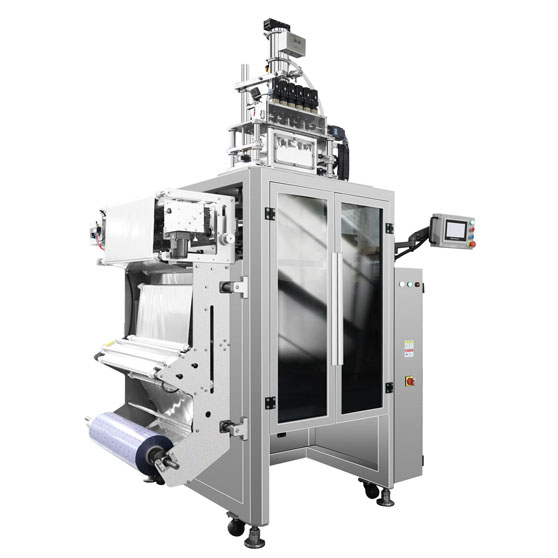
As a core piece of equipment in modern industry, the technological evolution of powder packaging machines is profoundly impacting production efficiency, product quality, and sustainable development. From overview to application, selection guidelines, operation and maintenance, and future trends, this article has provided a comprehensive perspective to help you make informed decisions. Whether you are new to the industry or an experienced professional, investing in a suitable powder packaging machine can yield significant returns—by enhancing automation levels, ensuring accuracy, and reducing operational costs. We encourage you to evaluate equipment based on your specific needs and collaborate closely with suppliers to embrace an intelligent and eco-friendly future. If you require further guidance, feel free to explore more resources or consult professional teams to jointly propel your business forward.
Relevant Recommendation
PRODUCTS
Guangdong Coretamp Packaging Machinery Co., Ltd.
CONTACT