
Products
In today’s fast-paced industrial landscape, packing machines have become indispensable assets for businesses across sectors like food and beverage, pharmaceuticals, e-commerce, and manufacturing. These machines streamline packaging processes, reduce labor costs, and ensure consistency, making them a cornerstone of operational success. This comprehensive guide delves deep into the world of packing machines, exploring their types, benefits, selection criteria, and future trends. Whether you’re a business owner, engineer, or packaging enthusiast, you’ll gain valuable insights to optimize your packaging line and stay ahead in a competitive market. By the end, you’ll understand why packing machines are not just tools but strategic investments driving efficiency and growth.
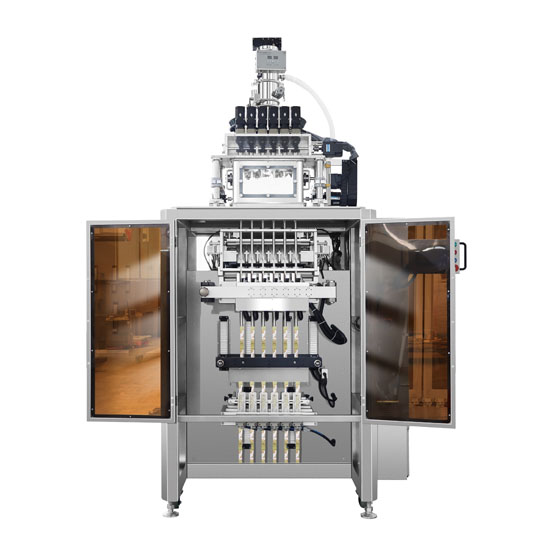
Packing machines, often referred to as packaging machines, are automated or semi-automated devices designed to handle various stages of the packaging process, such as filling, sealing, wrapping, labeling, and palletizing. They replace manual labor in repetitive tasks, ensuring speed, accuracy, and hygiene. Originating in the early 20th century with basic mechanical systems, these machines have evolved into sophisticated solutions integrated with digital controls. Their primary function is to protect products during storage and transportation while enhancing brand appeal through consistent packaging. In essence, a packing machine is the heartbeat of modern production lines, enabling scalability and meeting regulatory standards in industries like healthcare and consumer goods.
In industrial settings, packing machines encompass a wide range of equipment tailored to specific needs. For example, in the food industry, they might include vacuum sealers to preserve freshness, while in pharmaceuticals, blister packing machines ensure dosage accuracy. These machines are classified based on their automation level—fully automatic, semi-automatic, or manual—and their application, such as primary packaging (direct product contact) or secondary packaging (grouping products). Key components often involve conveyors, sensors, and programmable logic controllers (PLCs) that orchestrate operations. Understanding this context helps businesses align machine capabilities with their operational goals, reducing waste and improving throughput.
The journey of packing machines began with simple hand-operated tools in the late 1800s, evolving through the Industrial Revolution into mechanized systems like the first automatic bottling lines. In the mid-20th century, advancements in electronics introduced programmable machines, boosting precision. Today, the rise of Industry 4.0 has ushered in smart packing machines with IoT connectivity, allowing real-time monitoring and predictive maintenance. This evolution reflects a shift toward sustainability and customization, driven by consumer demand for eco-friendly packaging and personalized products. By tracing this history, we appreciate how innovation continues to reshape packaging, making it faster, greener, and more adaptable.
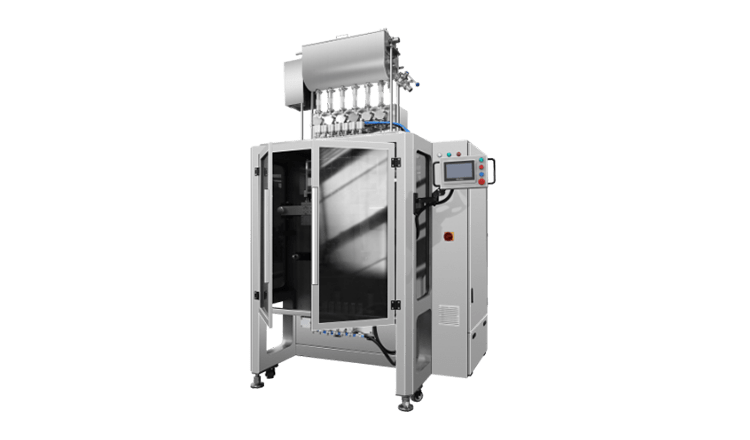
Packing machines come in diverse forms, each suited to specific tasks and industries. Selecting the right type is crucial for maximizing efficiency and minimizing costs. Generally, they can be grouped by function, such as filling, sealing, or wrapping, and by technology level, including conventional and robotic systems. This variety ensures that businesses can find solutions for everything from small-scale artisanal production to high-volume manufacturing. Below, we explore key categories and their applications, providing a roadmap for identifying the best fit for your needs.
Robotic packing machines, such as pick-and-place robots, automate complex tasks like sorting and packing irregular items, common in e-commerce warehouses. They offer flexibility and reduce injury risks. Smart systems, powered by AI and machine learning, optimize packaging lines by adjusting parameters in real-time—for instance, vision systems inspect packages for defects, while IoT sensors predict maintenance needs. These advancements not only boost productivity but also enable data-driven decisions, paving the way for fully autonomous packaging environments that adapt to changing demands.
Investing in packing machines yields tangible advantages that extend beyond mere automation. Businesses that adopt these systems often see improved profitability, enhanced product quality, and greater competitiveness. The benefits are multifaceted, impacting operational, financial, and environmental aspects. By understanding these perks, companies can justify the upfront costs and plan for long-term success. Let’s break down the primary benefits, supported by real-world examples and statistics.
Packing machines dramatically increase speed and accuracy, handling thousands of units per hour compared to manual labor’s limitations. For instance, an automatic cartoning machine can pack 200 boxes per minute, reducing bottlenecks in production lines. This efficiency translates to faster time-to-market, allowing businesses to meet peak demands, such as during holidays or product launches. Additionally, automated systems minimize human error, ensuring consistent package quality and reducing rework costs. Case studies from industries like cosmetics show a 50% boost in output after integrating packing machines, highlighting their role in scaling operations seamlessly.
In sectors like pharmaceuticals and food, packing machines uphold strict hygiene and safety standards by minimizing human contact, thus reducing contamination risks. Machines like aseptic fillers maintain sterility, crucial for injectable drugs or dairy products. Consistency in packaging—such as uniform seal strength or accurate label placement—builds brand trust and complies with regulations like FDA guidelines. Moreover, advanced machines offer traceability features, logging data for recalls or quality audits. This reliability not only protects consumers but also shields businesses from liability issues, making packing machines a safeguard for reputation and compliance.
Choosing the right packing machine involves careful analysis of your specific requirements, budget, and future goals. A hasty decision can lead to inefficiencies or wasted resources. This section provides a structured approach to selection, covering key factors and practical tips. By following these guidelines, you can invest in a machine that aligns with your operational needs and delivers a strong return on investment (ROI). We’ll explore both technical considerations and strategic planning aspects.
Start by evaluating your product characteristics—size, shape, fragility, and material—as these dictate machine type. For example, granular products might need auger fillers, while liquids require piston fillers. Next, determine required speed (units per minute) based on production volume to avoid over- or under-specifying. Physical space in your facility is also critical; compact machines like vertical form-fill-seal (VFFS) units save floor space. Conduct trials with suppliers to test compatibility, and consider future scalability—opting for modular machines that can be upgraded as your business grows ensures longevity and adaptability.
While upfront costs are important, focus on total cost of ownership, including maintenance, energy consumption, and training. Semi-automatic machines may be cheaper initially but could incur higher labor costs over time. Calculate ROI by estimating savings from reduced labor, lower material waste, and increased output. Financing options, such as leasing or loans, can ease cash flow. Additionally, prioritize machines from reputable brands with strong warranties and local service support to minimize downtime. Investing in quality might have a higher initial price but pays off through durability and fewer disruptions, ensuring long-term value.
The packing machine industry is rapidly evolving, driven by technological innovations and shifting consumer preferences. Staying updated on these trends is essential for businesses aiming to maintain a competitive edge. From AI integration to sustainability initiatives, new developments are transforming packaging into a smarter, greener process. This section highlights the latest advancements, explaining how they impact efficiency and sustainability. By embracing these trends, companies can future-proof their operations and meet evolving market demands.
AI-powered packing machines use algorithms to optimize operations—for instance, machine learning models adjust filling parameters based on product viscosity variations, reducing waste. Computer vision systems inspect packages in real-time, detecting defects like mislabels or leaks with over 99% accuracy. These smart machines also enable predictive maintenance, analyzing sensor data to forecast failures before they occur, thus minimizing downtime. In e-commerce, AI-driven robots adapt to different item shapes, streamlining fulfillment. This trend not only enhances precision but also reduces operational costs, making packaging lines more resilient and data-centric.
With growing environmental concerns, packing machines are adapting to handle eco-friendly materials like biodegradable films or recycled cardboard. Machines now feature energy-efficient motors and reduced plastic usage, aligning with circular economy goals. Innovations include water-based adhesive applicators and compact designs that lower carbon footprints. Companies are also investing in reusable packaging systems, where machines clean and refill containers. By adopting green machines, businesses can meet regulatory pressures and consumer demand for sustainability, often gaining marketing advantages and cost savings through material optimization.
To maximize the lifespan and performance of packing machines, proper maintenance and operational protocols are crucial. Neglecting these aspects can lead to frequent breakdowns, safety hazards, and increased costs. This section outlines actionable best practices, from routine checks to staff training, ensuring your machines run smoothly and efficiently. Implementing these strategies will help you avoid common pitfalls and maintain high productivity levels.
Develop a scheduled maintenance plan based on the manufacturer’s guidelines, including daily, weekly, and monthly tasks. Key activities involve cleaning components like nozzles and conveyors to prevent clogging, lubricating moving parts, and calibrating sensors for accuracy. Use diagnostic tools to monitor wear and tear, replacing parts proactively—for example, seals or belts—before they fail. Keep a log of maintenance activities to track performance and identify recurring issues. By investing in preventive care, you can reduce downtime by up to 30% and extend machine life, protecting your investment and ensuring consistent output.
Well-trained operators are essential for efficient machine operation. Provide comprehensive training on setup, troubleshooting, and safety protocols, such as lockout-tagout procedures to prevent accidents during maintenance. Encourage staff to report anomalies early, fostering a culture of proactive care. Regularly update training to cover new features or technologies. Additionally, involve operators in feedback loops to improve processes—they often spot inefficiencies firsthand. This human-centric approach not only enhances safety but also boosts morale and productivity, making your packing line a collaborative and high-performing asset.
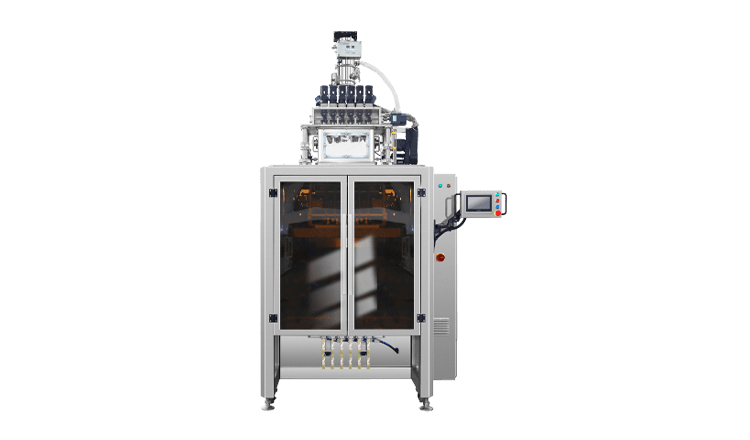
Packing machines are transformative tools that drive efficiency, safety, and innovation in modern industries. From understanding their basic functions to exploring advanced trends like AI and sustainability, this guide has provided a deep dive into their value and application. By selecting the right machine, maintaining it properly, and staying abreast of technological shifts, businesses can unlock significant benefits, including cost savings, scalability, and environmental responsibility. As packaging continues to evolve, embracing these insights will position you for success in an increasingly automated world. Take action today—evaluate your packaging needs and consider how a packing machine can revolutionize your operations for a brighter, more efficient future.
Relevant Recommendation
PRODUCTS
Guangdong Coretamp Packaging Machinery Co., Ltd.
CONTACT