
Products
Honey, nature’s golden nectar, requires specialized packaging to maintain its purity, flavor, and nutritional value. A honey packing machine is not just a piece of equipment—it’s a critical investment for beekeepers, honey producers, and food manufacturers looking to scale their operations while preserving the integrity of their product. This comprehensive guide will walk you through everything you need to know about honey packing machines, from their core functionality to choosing the right model for your business.
What is a Honey Packing Machine?
A honey packing machine is a specialized device designed to fill and seal honey into various containers, including jars, bottles, pouches, and sachets. Unlike general-purpose packing machines, honey packing machines are engineered to handle the unique properties of honey—its high viscosity, susceptibility to crystallization, and sensitivity to temperature. These machines ensure precise filling, airtight sealing, and minimal product waste, all while maintaining honey’s natural qualities.
Key Components of a Honey Packing Machine
Honey Melter: Many honey packing machines include a melter to liquefy crystallized honey before filling. The melter uses controlled heat (typically 40–50°C) to gently melt honey without damaging its enzymes or flavor.
Filling System: The filling system is the heart of the machine, dispensing precise amounts of honey into containers. Common types include piston fillers (for thick, viscous honey) and gravity fillers (for liquid honey). Advanced systems use load cells or flow meters for accurate volume control.
Sealing Mechanism: After filling, the sealing mechanism ensures containers are airtight to prevent contamination and preserve honey’s freshness. Options include screw capping (for jars/bottles), heat sealing (for pouches), and induction sealing (for tamper-evident closures).
Temperature Control System: Honey’s viscosity changes with temperature, so a temperature control system is critical to maintain consistent filling. This system keeps honey at an optimal temperature (35–40°C) during the packing process.
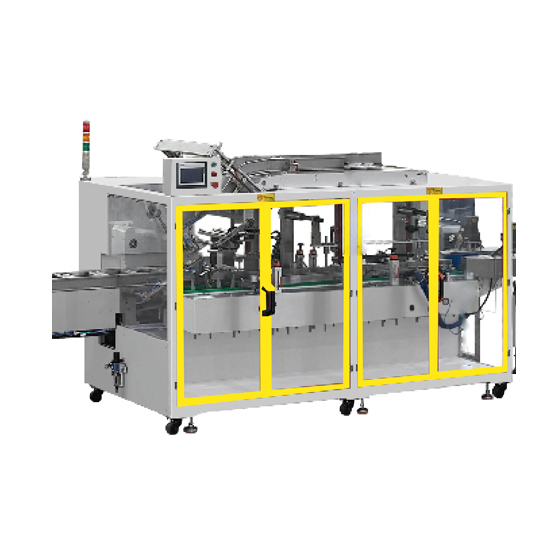
Types of Honey Packing Machines
Choosing the right honey packing machine depends on your production volume, container type, and honey viscosity. Here are the most common types:
Jar and Bottle Honey Packing Machines
Jar and bottle packing machines are ideal for filling honey into glass or plastic jars/bottles. They typically include a filling station, capping station, and labeling station. These machines are suitable for medium to large production volumes (100–500 jars per hour) and are popular among commercial honey producers.
Pouch and Sachet Honey Packing Machines
Pouch and sachet packing machines are designed for single-serve or portion-controlled honey packaging. They are ideal for hotels, cafes, and convenience stores. These machines can fill and seal up to 200 pouches per minute and are available in semi-automatic or fully automatic models.
Automatic vs. Semi-Automatic Honey Packing Machines
Automatic Machines: Fully automatic machines handle the entire packing process—from melting honey to sealing containers—with minimal human intervention. They are ideal for large-scale production (500+ units per hour) and offer high efficiency and consistency.
Semi-Automatic Machines: Semi-automatic machines require manual input for tasks like loading containers or triggering the filling process. They are suitable for small to medium production volumes (50–200 units per hour) and are more cost-effective than automatic machines.
Factors to Consider When Choosing a Honey Packing Machine
Selecting the right honey packing machine requires careful evaluation of several key factors to ensure it meets your business needs:
Honey Viscosity and Consistency
Honey’s viscosity varies depending on its type (e.g., clover, manuka) and temperature. Choose a machine with a filling system that can handle your honey’s viscosity—piston fillers for thick honey, gravity fillers for liquid honey, and auger fillers for crystallized honey.
Container Type and Size
Consider the containers you plan to use (jars, bottles, pouches) and their sizes. Ensure the machine is compatible with your container dimensions and can handle different sizes without significant adjustments.
Production Volume
Small Scale (50–200 units/hour): Semi-automatic machines are sufficient for small beekeepers or startups.
Medium Scale (200–500 units/hour): Automatic machines with moderate speed are ideal for growing businesses.
Large Scale (500+ units/hour): High-speed automatic machines are necessary for commercial honey producers.
Hygiene and Compliance
Honey is a food product, so hygiene is critical. Choose a machine made of food-grade stainless steel with smooth surfaces that are easy to clean. Ensure the machine complies with food safety regulations (e.g., FDA, EU standards) to avoid contamination.
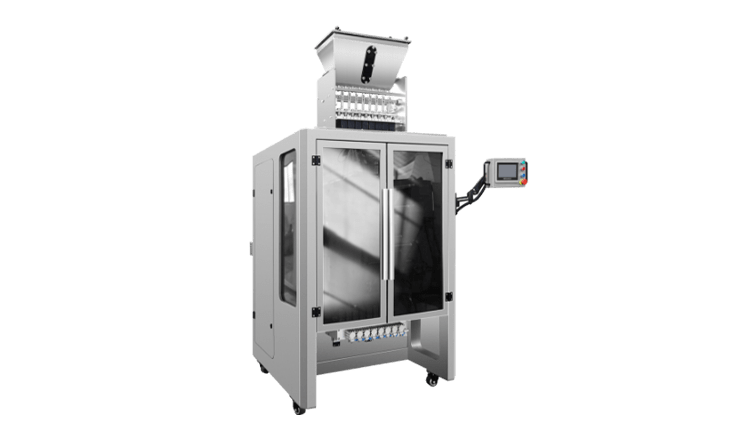
Benefits of Using a Honey Packing Machine
Investing in a honey packing machine offers numerous benefits for your business:
Preserves Honey Quality
Honey packing machines use controlled temperature and gentle handling to preserve honey’s natural enzymes, flavor, and nutritional value. This ensures your product meets the highest quality standards and appeals to consumers.
Increases Efficiency
Manual honey packing is time-consuming and prone to errors. A honey packing machine automates the process, reducing labor costs and increasing production speed. This allows you to scale your business and meet growing demand.
Reduces Product Waste
Precise filling systems minimize product waste by dispensing exact amounts of honey into each container. This not only saves money but also ensures consistency in product quantity.
Enhances Brand Image
A well-packaged product enhances your brand image and attracts customers. Honey packing machines produce uniform, professional-looking packaging that stands out on store shelves.
How to Maintain Your Honey Packing Machine
Proper maintenance is essential to keep your honey packing machine running smoothly and extend its lifespan. Here are key maintenance tips:
Regular Cleaning
Daily: Wipe down the machine with a food-grade cleaner to remove honey residue. Pay special attention to the filling nozzle, melter, and sealing mechanism.
Weekly: Disassemble the filling system and clean all parts to prevent clogs and bacterial growth.
Monthly: Inspect the machine for loose parts, worn seals, or damaged components.
Lubrication
Lubricate moving parts (e.g., gears, chains) with food-grade lubricant every 2–4 weeks to reduce friction and wear. Avoid over-lubricating, as this can attract dust and debris.
Calibration
Calibrate the filling volume regularly (every 1–2 months) to ensure accurate portioning. Most machines have a calibration function in the control panel or require manual adjustment of the filling mechanism.
Temperature Control
Monitor the machine’s temperature control system to ensure it maintains the optimal temperature for honey. Adjust the temperature as needed based on your honey’s viscosity.
Choosing the Right Supplier for Your Honey Packing Machine
Selecting a reliable supplier is crucial to ensuring you get a high-quality honey packing machine. Here’s what to look for:
Industry Experience
Choose a supplier with experience in the honey packaging industry. They will understand the unique needs of honey producers and can recommend the best machine for your product.
Customization Options
Look for suppliers that offer customization, such as adjustable filling volumes, compatibility with different container types, and temperature control settings. This ensures the machine fits your specific requirements.
After-Sales Support
A good supplier should provide comprehensive after-sales support, including installation, training, and repair services. Ask about their warranty policy and response time for technical issues.
Customer Reviews and References
Check online reviews and ask for references from past customers. This will give you insight into the supplier’s reliability, product quality, and customer service.
Conclusion
A honey packing machine is an essential investment for any honey producer looking to scale their business while preserving the quality of their product. By understanding the different types of machines, key features to consider, and maintenance best practices, you can choose the right model for your business needs. Remember to work with a reputable supplier that offers customization and after-sales support to ensure long-term success.
If you’re looking for a high-quality honey packing machine, look no further than honey packing machine. Our machines are designed to handle the unique properties of honey, with precise filling, temperature control, and airtight sealing. Contact us today to learn more about our products and how we can help your business grow.
Relevant Recommendation
PRODUCTS
Guangdong Coretamp Packaging Machinery Co., Ltd.
CONTACT