
2026 Sachet Packaging Machine Breakthrough: Reshaping Global FMCG Production Logic

Coretamp | 2026/02/05

Global packaging technology leader PackTech Global officially launched its 2026 sachet packaging machine this week. This modular, eco-friendly system directly addresses core pain points for global Fast-Moving Consumer Goods (FMCG) brands: rising raw material costs, surging consumer demand for sustainable packaging, and the need for faster, more flexible production line upgrades. According to the company’s launch event, the new model provides technical solutions to three key challenges in the FMCG industry.
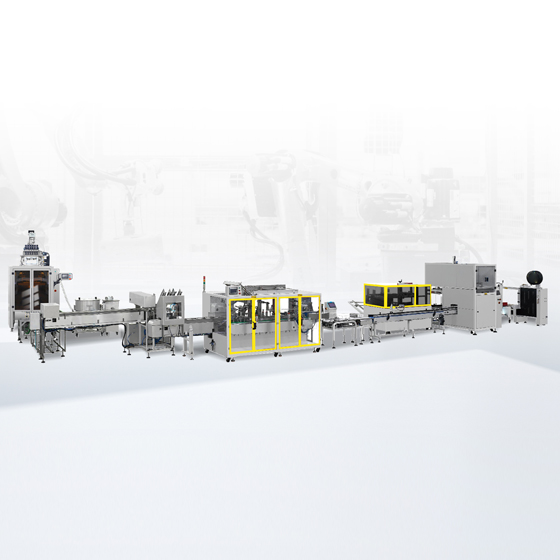
Automated Packaging Machines

Why are sachet packages more critical than ever in 2026?
Sachet packaging has long been the standard for affordable, portioned products (like instant noodles, shampoo, and condiments). However, its market value is set for explosive growth in 2026, driven by two core factors:

  • Affordability: Small-format sachets allow lower-income groups to access premium products at a lower cost. Global sachet sales grew by 12% in 2025 and are projected to exceed 15% in 2026.
  • Sustainability: New materials like biodegradable PLA film and compostable paper are making sachets a green alternative to single-use bottles. Stricter regulations on plastic waste in regions like the EU, India, and Southeast Asia are forcing brands to accelerate their transition.

This growth directly fuels an urgent demand for high-efficiency sachet machines that can handle new eco-friendly materials without sacrificing production speed or quality.

Three Breakthrough Features of PackTech’s 2026 Model
The technological innovations in PackTech’s new machine create a significant gap with older equipment:

  1. Modular Design: Full Product Line Changeover in 30 Minutes
    Gone are the days of reconfiguring an entire machine to switch products. The 2026 model features interchangeable modules (filling nozzles, sachet size molds, sealing heads), enabling changeovers in just 30 minutes. For example, a coffee brand switching from instant coffee sachets to sugar sachets takes less than an hour, reducing downtime by 60% compared to 2025 models.
  2. Adaptive Heat Sealing: Compatible with All Eco-Materials
    Older machines often suffered from seal leakage due to incompatibility with biodegradable films. The 2026 model features dynamic heat-sealing technology that adjusts temperature and pressure in real-time based on film type (PLA, compostable paper, recycled plastic). A European condiment brand that switched reported a 40% reduction in plastic waste, directly complying with local environmental regulations.
  3. IoT Smart Control: Predictive Maintenance Cuts Costs by 25%
    Each machine is equipped with built-in IoT sensors that monitor core metrics like production rate, seal strength, and filling accuracy in real-time, alerting technicians to potential failures before they occur. A Brazilian snack company saw a 25% reduction in unplanned downtime in the first month of use, averting losses of up to $12,000.

Case Study: Strategic Upgrade for a Thai Snack Brand
Thai snack brand Mango Snacks upgraded to the new PackTech machine in January 2026, with immediate results:

  • 20% Increase in Line Speed: From 100 to 120 sachets per minute.
  • 15% Reduction in Waste: Precision filling nozzles reduced overfilling by 80%, saving $5,000 monthly in material costs.
  • Entry into the Singapore Market: The machine’s support for biodegradable film enabled the launch of an eco-friendly sachet line, expanding the customer base by 10%.
    “Without this machine, entering the Singapore market would have been impossible,” said Mango Snacks CEO Lin Chai. “It’s not just a production tool; it’s a strategic investment.”

Expert Forecast: Dual Breakthroughs in AI and Compact Models by 2027
Global Pack Insights analyst Jane Doe notes that 2026 is just the starting point for sachet machine evolution: “2027 will see AI-driven models—using cameras to detect minute sealing defects in real-time—alongside the introduction of compact, low-cost models, enabling smaller brands to compete with major FMCG players.”
She added that India’s 2028 ban on non-recyclable sachets will drive equipment manufacturers to focus on zero-waste production and circular economy features.
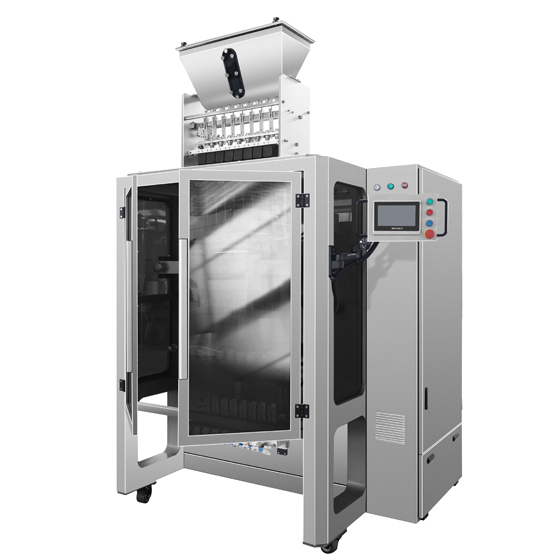
Packaging Companies in China

Conclusion: Evolving from Tool to Strategic Asset
The sachet packaging machine of 2026 is no longer merely production equipment but a core asset for FMCG brands tackling the dual challenges of affordability and sustainability. PackTech’s new model demonstrates how technological innovation can simultaneously address commercial pain points and environmental goals, setting a new benchmark for the industry.

As the FMCG industry looks toward 2027 and beyond, sachet machines will continue to evolve, reshaping how products are packaged, sold, and consumed.

INQUIRY